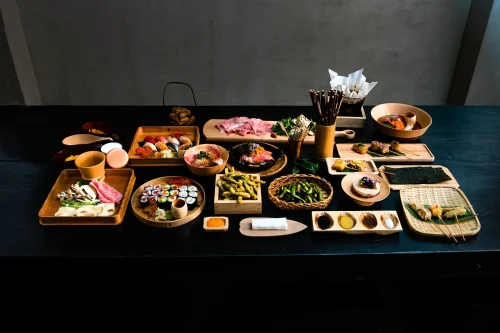
You thought you were going to Marbella for the beach. Or maybe the shopping. But in reality, Puente Romano (the place to rest your head) isn’t just about the life of leisure. It’s about the culinary scene. And that’s without even leaving the resort. Normally, you have one or two headliner restaurants. However, Puente Romano is where Nobu, GAIA, Cipriani, and COYA collide – to name a few. I came to Marbella for the Mediterranean. I left thinking about the food.
The Culinary Scene
I came to Marbella expecting the Mediterranean to be the main attraction. The sunshine, the sea, the palm trees, the beach, the long lunches that turn into afternoons. All the things you naturally associate with the Costa del Sol. But after spending time at Puente Romano, it was the food that stayed with me.
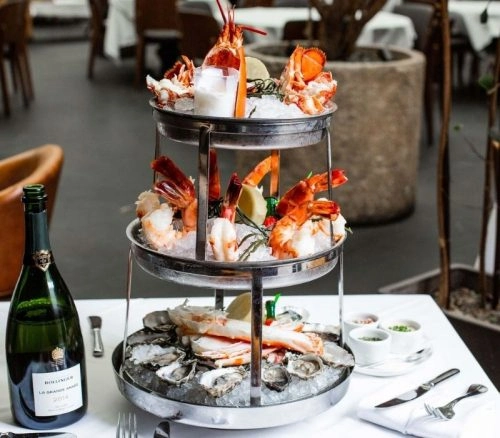
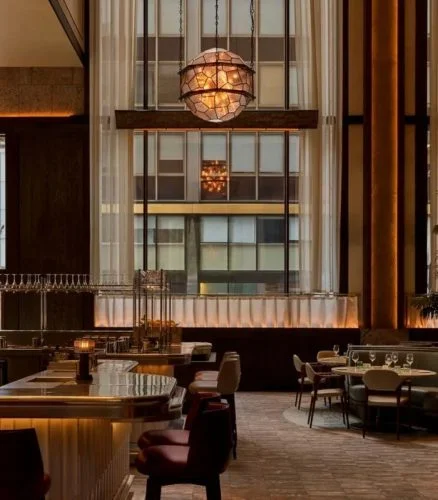
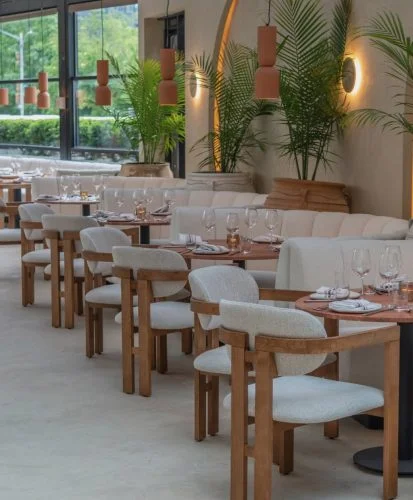
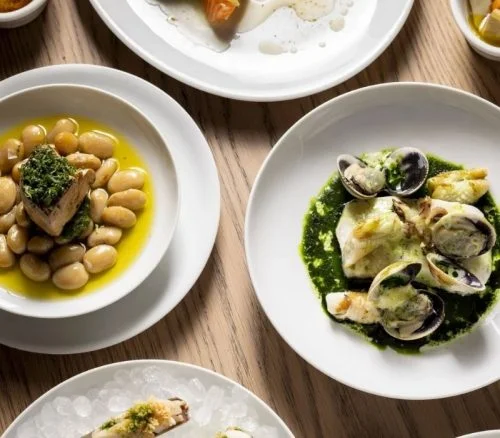
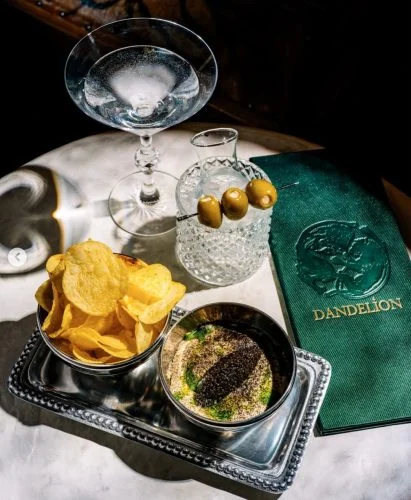
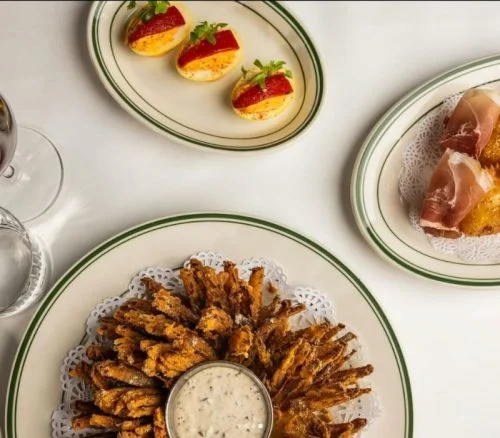
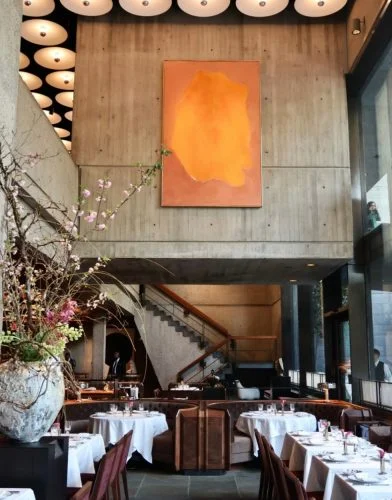
With more than 20 restaurants and bars across the resort, Puente Romano has become a culinary destination in its own right. What I enjoyed most, though, was that each place felt different. Some were about the setting, some about the atmosphere, and some about the people behind the food.
For me, the best way to experience it was simply to follow the day.
Breakfast at Sea Grill
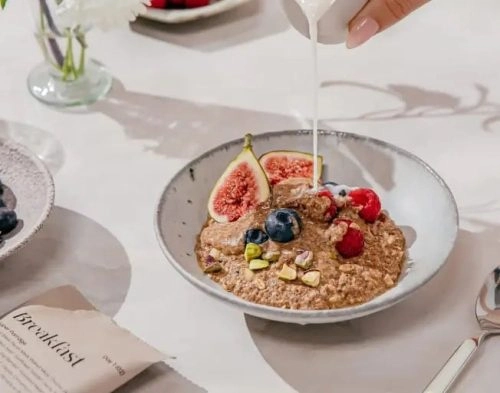
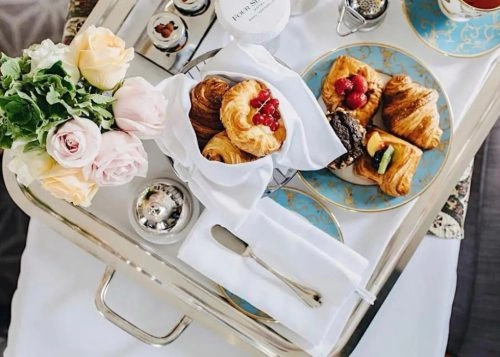
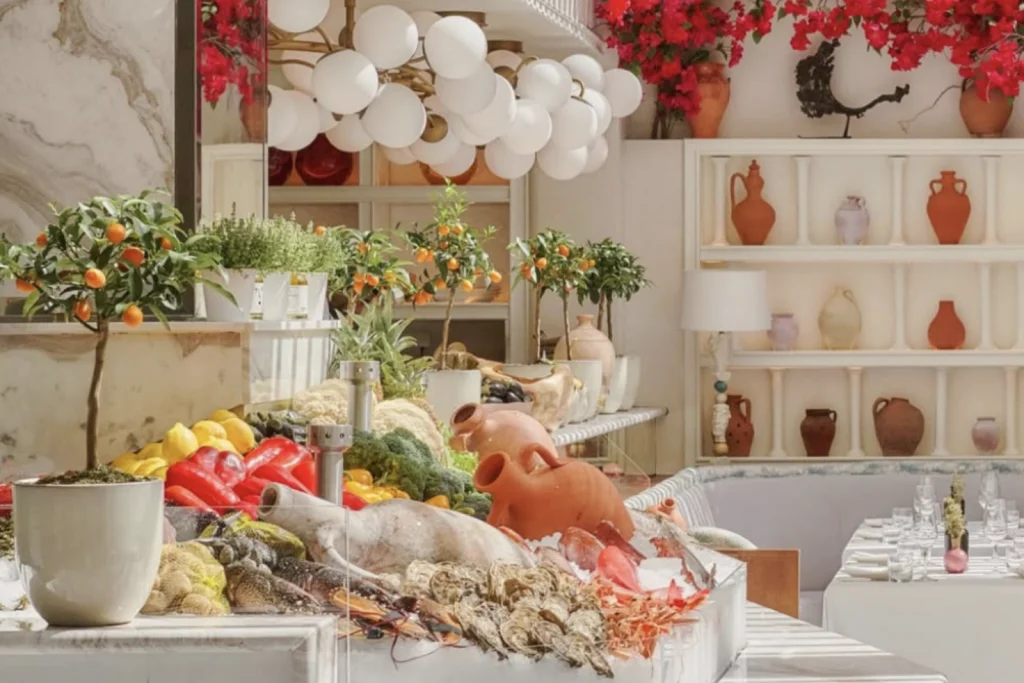
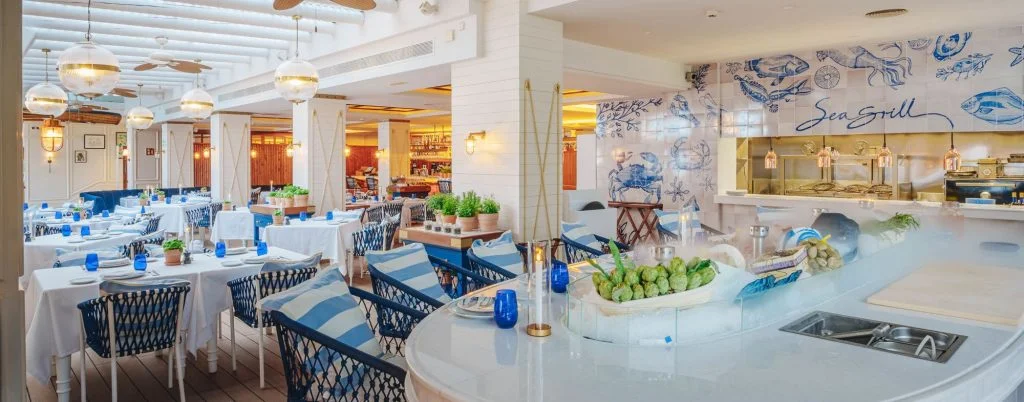
My mornings started at Sea Grill. Breakfast is often something you have quickly before heading out for the day. Here, I found myself wanting to stay.
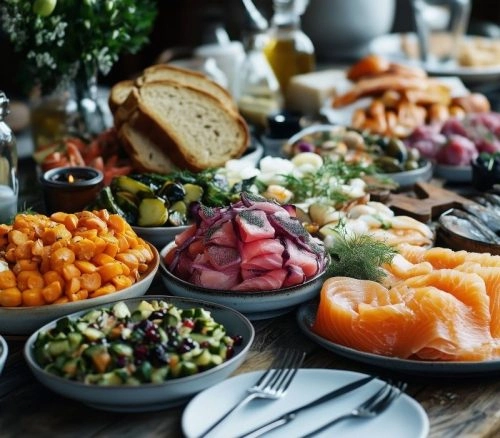
The buffet is spectacular, with an impressive variety of fresh ingredients and everything you could possibly want to start the morning. There is something particularly enjoyable about taking your time over breakfast when you know the Mediterranean is waiting just outside. It sets the tone for the day.
And at Puente Romano, the day usually seems to revolve around food in one way or another.
An Afternoon at the Chiringuito
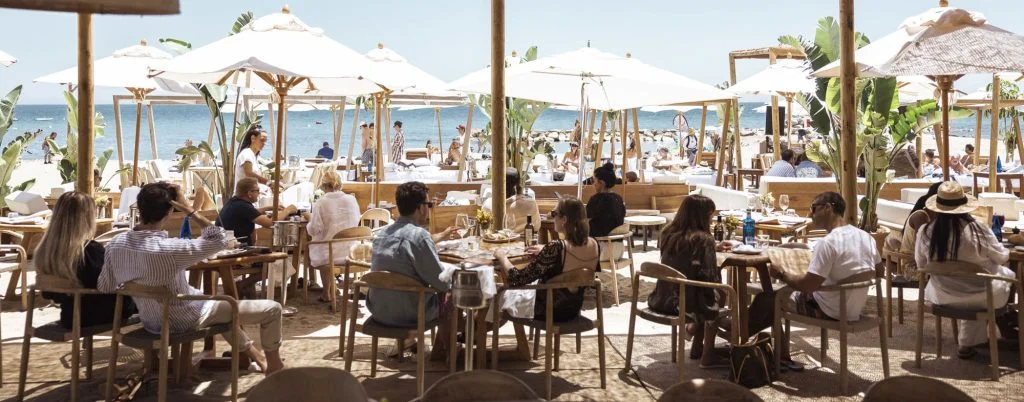
From breakfast, the natural next stop was the beach. The Chiringuito has exactly the kind of relaxed atmosphere I was looking for in Marbella. It is right by the sea, with the energy of a beach club, but without losing that easy Mediterranean feeling.
You can come for lunch, order a cocktail and tell yourself you will leave in an hour. You probably won’t. For me, it was the kind of place where an afternoon can disappear without you noticing. The combination of the setting, the food, the cocktails and the sea makes it very easy to simply stay there.
But the real highlight of my stay was not at the beach. It was at the heart of the resort, surrounded by chefs.
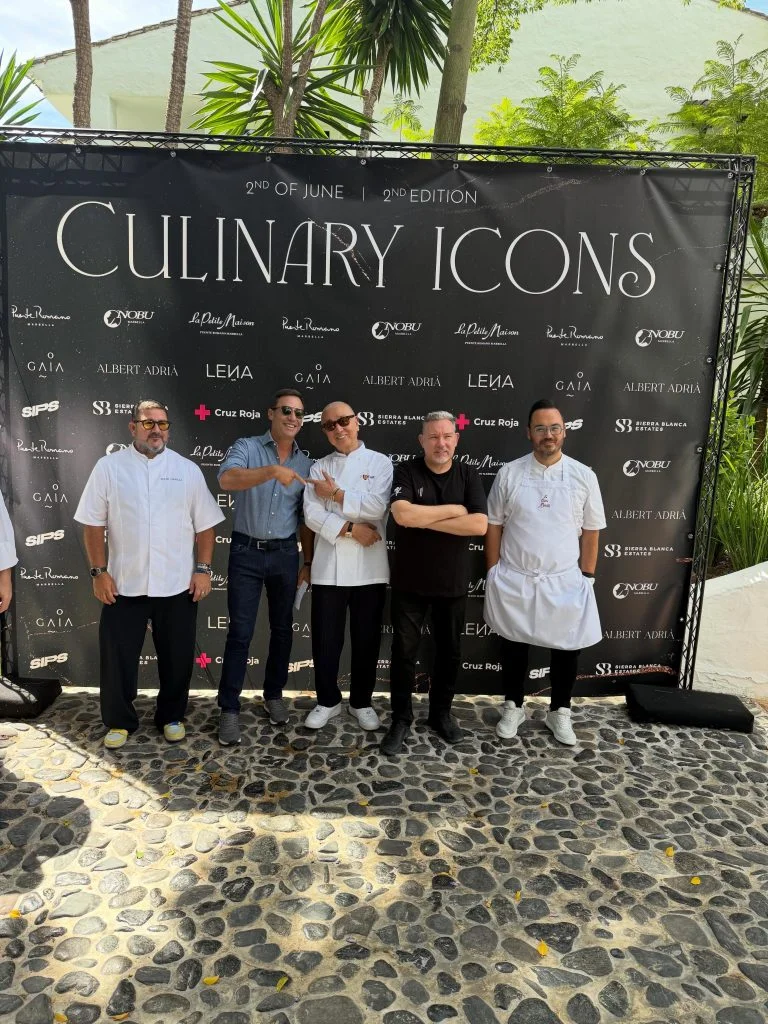
Culinary Icons: Seeing The Chefs Behind The Food
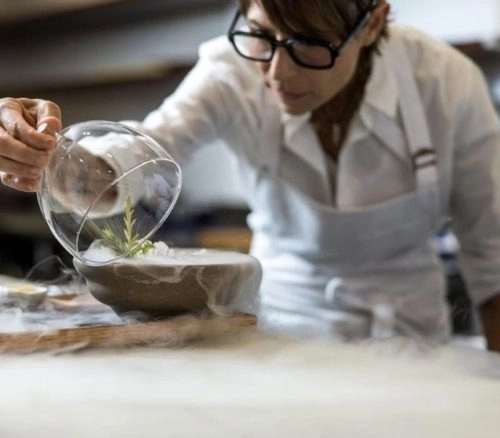
The Culinary Icons event was one of the experiences that made my stay at Puente Romano particularly memorable. Set outdoors at La Plaza, right in the heart of the resort, the event brought together five chefs and created an atmosphere that felt as much about the people behind the food as the dishes themselves.
Nobu Matsuhisa
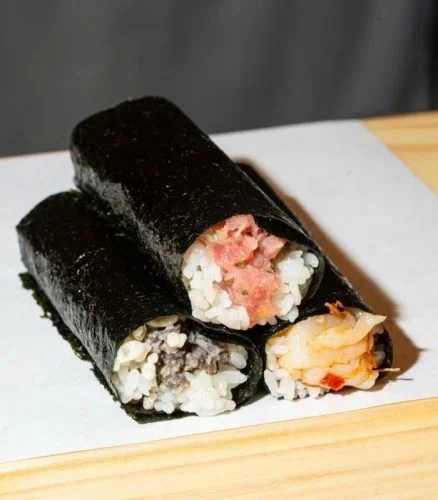
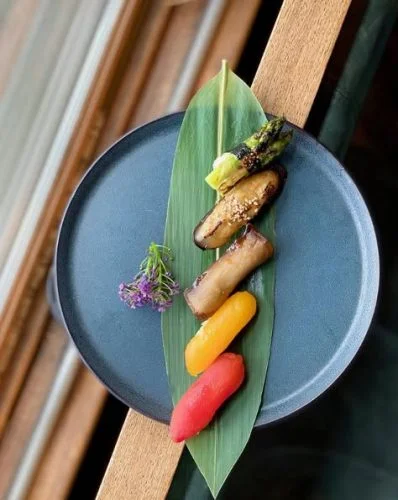
One of the moments I will remember most was watching Nobu Matsuhisa cook live. Nobu has built one of the world’s most recognisable culinary names, but seeing him work in person, the focus was still on the smallest details. Everything was calm, precise and incredibly considered. Among the dishes he prepared were the Tuna Tataki Tosazu and the Seabass Kombujime Oshi Sushi.
What stayed with me was how much attention he gave to the details behind sushi that can look so simple on the plate. He spoke about the importance of the rice and the right amount for each piece, with the idea that sushi should ultimately be enjoyed as one bite. It was a small detail, but it was exactly the kind of detail that makes watching a great chef so interesting.
Puente Romano is also home to Nobu, making the opportunity to see Nobu himself during Culinary Icons feel even more special.
Dani García
Dani García was another chef I was excited to see.
I already knew his reputation, but watching him cook in person was different. You get a much better sense of a chef’s personality when you see them working, their confidence, their rhythm and the way they interact with ingredients.
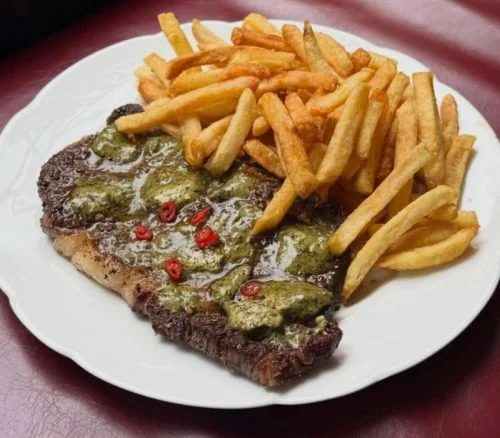
His presence also made me curious about Leña, his steakhouse at Puente Romano, where fire is at the heart of his approach to cooking.
Yiannis Kioroglou, Izu Ani, Albert Adrià
Among the other chefs I encountered were Yiannis Kioroglou and Izu Ani, whose restaurants I would experience later in my stay. Albert Adrià was also part of the event, bringing another perspective to an already impressive gathering of culinary talent.
That connection between the chefs and the restaurants made Culinary Icons feel like more than a one-off event.
It gave me a different way of looking at the restaurants I would experience afterwards.
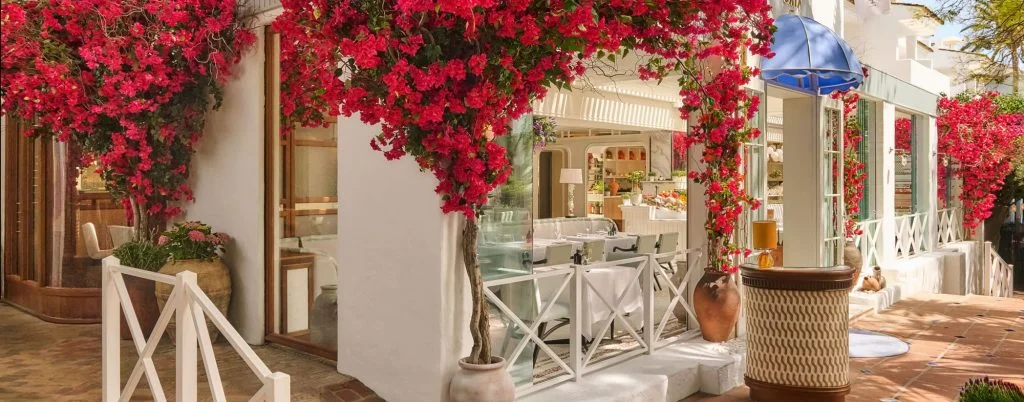
GAIA: The Dish I Still Think About
If there is one restaurant I would single out from my stay, it is GAIA. And there is one dish in particular that I still think about. The raw sea bream carpaccio.
Izu Ani’s presence at Culinary Icons had already given me a sense of the thinking behind the food, so experiencing GAIA afterwards felt like discovering another side of that culinary world.
The sea bream itself was, without question, one of the best I have ever eaten. But what made it particularly memorable was the little ritual that came with it. The fish is served with lemon and coarse salt. You take a fork, press it into the inside of the lemon, then place the fork into the coarse salt so that some of it sticks. Then you bring it back to the fish. It is incredibly simple. But that small gesture makes you part of the dish. You are finishing each bite yourself, controlling the balance of acidity and salt as you go. I particularly loved the lemon dressing, although the truffle dressing was another favourite.
And then came dessert. Cold and creamy Greek yogurt, sweet honey, crunchy caramelised walnuts and warm loukoumades. It was the kind of dessert that I could have happily ordered again immediately.
GAIA was the meal I found myself thinking about afterwards. And for me, that is usually the best sign of a great restaurant.
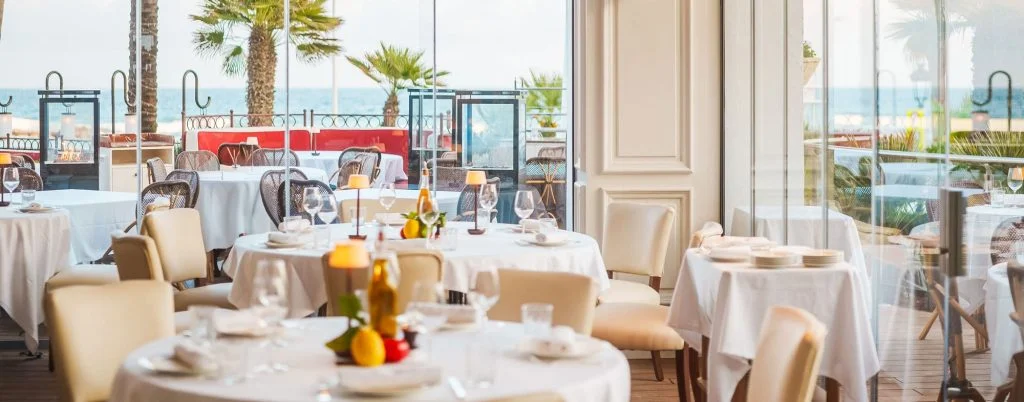
La Petite Maison and The Riviera Spirit
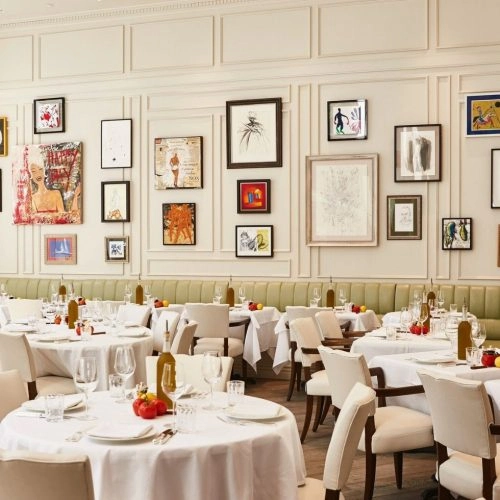
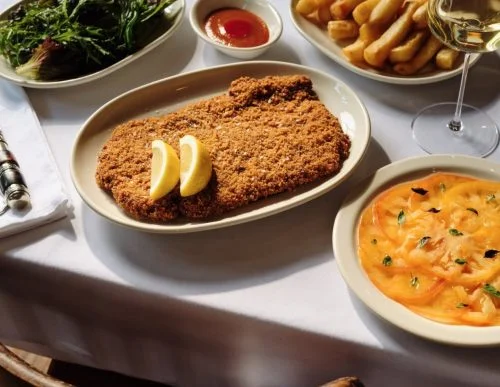
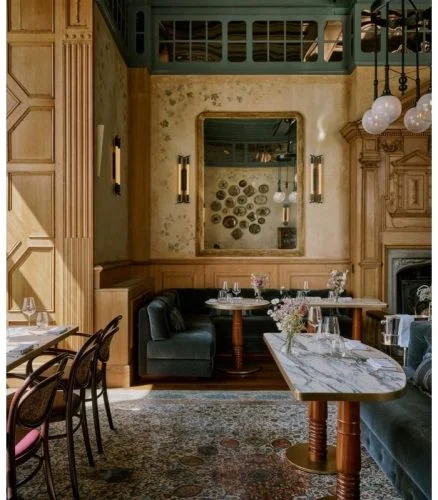
I had first encountered Chef Yiannis Kioroglou during Culinary Icons, so discovering La Petite Maison afterwards gave me the chance to see his work in a completely different context. There is a strong Riviera influence to the restaurant, and it fits naturally into Marbella. The food feels Mediterranean, elegant and generous, while the atmosphere has that effortless Côte d’Azur quality that makes you want to sit at the table a little longer.
What made the experience particularly interesting for me was the opportunity to speak with Yiannis. Talking to a chef away from the kitchen gives you a different perspective. We spoke about his approach to food, his influences and the connection between Mediterranean cooking and the Riviera.
What struck me was how naturally those ideas came through in the restaurant itself. There is no need for food to be complicated. Good ingredients, balance, technique and the right atmosphere around the table can be enough. That is what I enjoyed about La Petite Maison.
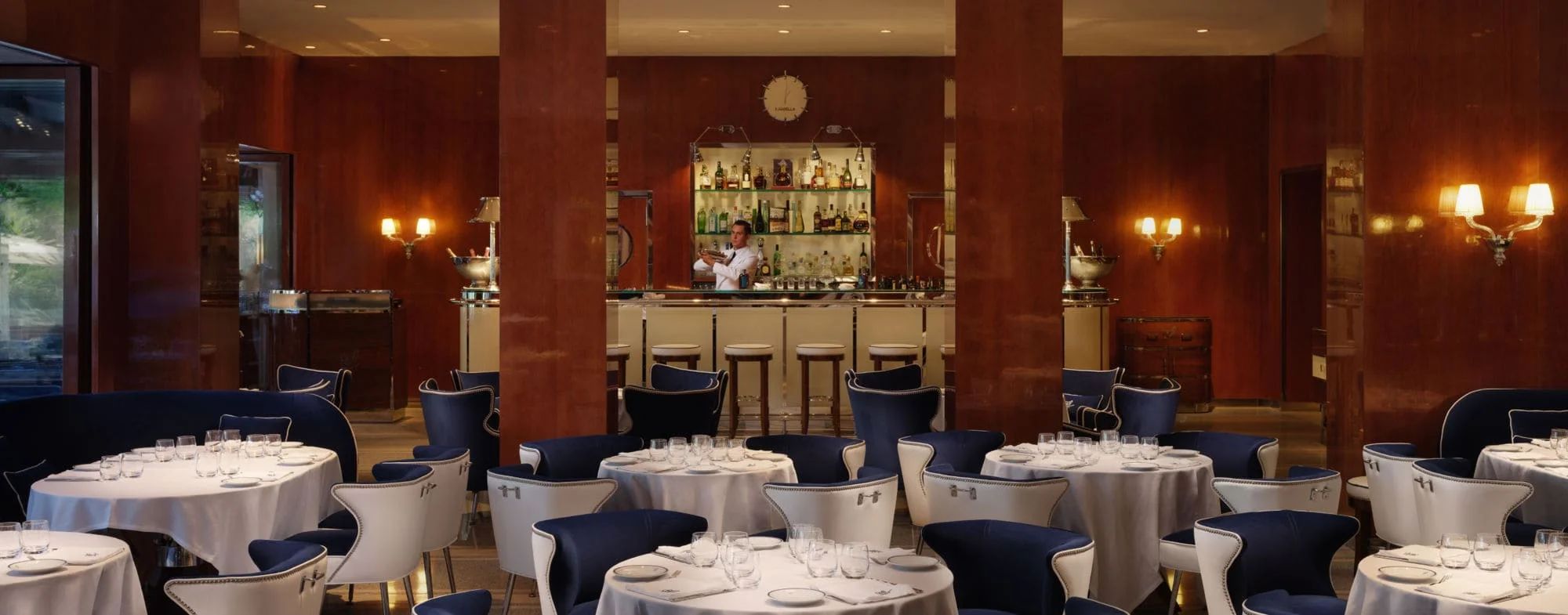
Cipriani: A Quieter Corner Of The Resort
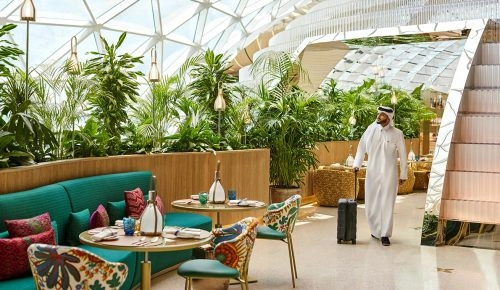
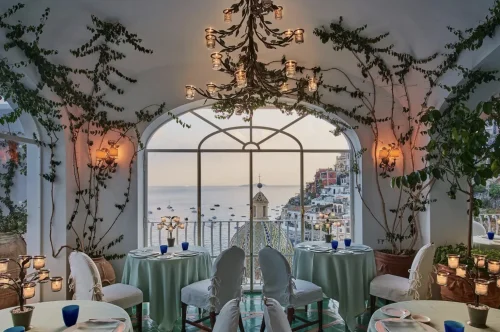
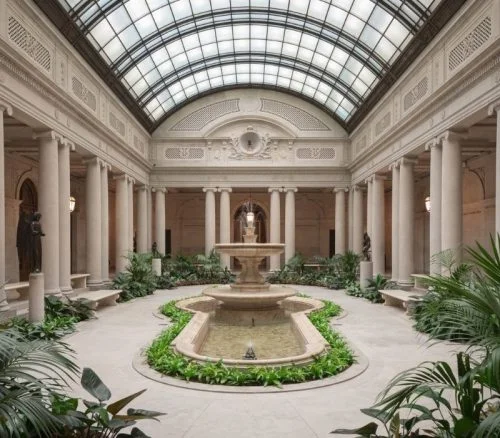
Cipriani offered something completely different again. I had lunch on the terrace, surrounded by lush vegetation and shaded from the sun. It was beautiful, but what I enjoyed most was the sense of calm. After the energy of the beach and the excitement around Culinary Icons, Cipriani felt almost like a little hideaway within the resort.
The service was warm and welcoming, and the whole experience felt relaxed without becoming too casual. It was easy to forget that I was still at one of Marbella’s busiest luxury resorts.
Sometimes that is exactly what you want from lunch: somewhere beautiful where you can simply sit down, slow down and enjoy the moment.
More Than Just A Collection Of Restaurants
What I took away from Puente Romano was not one particular restaurant. It was the variety.
Sea Grill made breakfast feel like part of the experience. The Chiringuito captured the relaxed side of Marbella. GAIA gave me a dish I genuinely won’t forget. La Petite Maison brought the spirit of the Riviera. Cipriani offered a quieter escape.
Nobu and Leña add two very different, but equally recognizable names to the resort’s culinary landscape, while Culinary Icons brings the people behind that food directly into the experience. And perhaps that is what surprised me most.
I arrived in Marbella expecting to think mostly about the Mediterranean. I left thinking about sea bream, sushi, Greek yogurt, honey, fire, lemons and the chefs I had watched cooking right in front of me.
At Puente Romano, food is not simply something you do between the beach and the evening. It is part of the destination itself.
Other Articles You’ll Like
The Art of Simplicity: A conversation in Marbella with Chef Yiannis Kioroglou
Nobu Hotel Roma
Marbella
FAQs
Q: Which restaurant at Puente Romano is best for a relaxed lunch?
A: Cipriani is a particularly good choice for a leisurely lunch. Its shaded terrace is surrounded by lush vegetation, creating a quieter atmosphere within the otherwise lively resort.
Q: Which chefs appeared at Puente Romano’s Culinary Icons event?
A: Culinary Icons brought together Nobu Matsuhisa, Dani García, Yiannis Kioroglou, Izu Ani and Albert Adrià at La Plaza. The event offered guests the chance to see the chefs cooking live and experience the people and techniques behind several of the resort’s restaurants.
Q: What kind of food does La Petite Maison at Puente Romano serve?
A: La Petite Maison draws on Mediterranean cooking with a strong Riviera influence. The restaurant combines generous, ingredient-led food with an elegant atmosphere reminiscent of the Côte d’Azur.