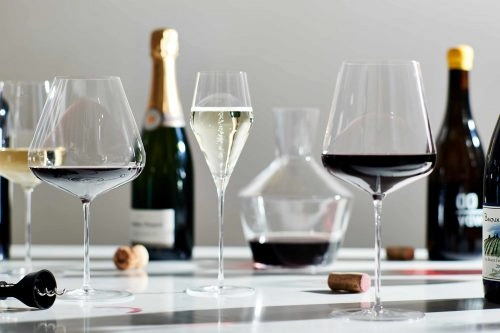
There’s something to be said for not reinventing the wheel. So, when you can borrow a little wisdom from winemakers in Burgundy and Champagne, the chances are good that you’ll end up with some pretty impressive bottles. In Oregon, French wine families are doing exactly that. They’ve brought centuries of know-how to the Willamette Valley, then given themselves permission to see what happens next.
Ask a Burgundian why Oregon feels familiar, and the answer starts with geography. The Willamette Valley sits near the 45th parallel, just like Burgundy. Cool mornings, long growing seasons and plenty of Pinot Noir help, too. Yet, Oregon has its own climate, soils and personality, and that is precisely what keeps the French interested.
Today, you could say Oregon has a bit of a French accent. Burgundy brought deep Pinot Noir know-how, while Champagne families brought serious investment. Together, they helped put the Willamette Valley on the map.
Here are five of the people behind the French connection.
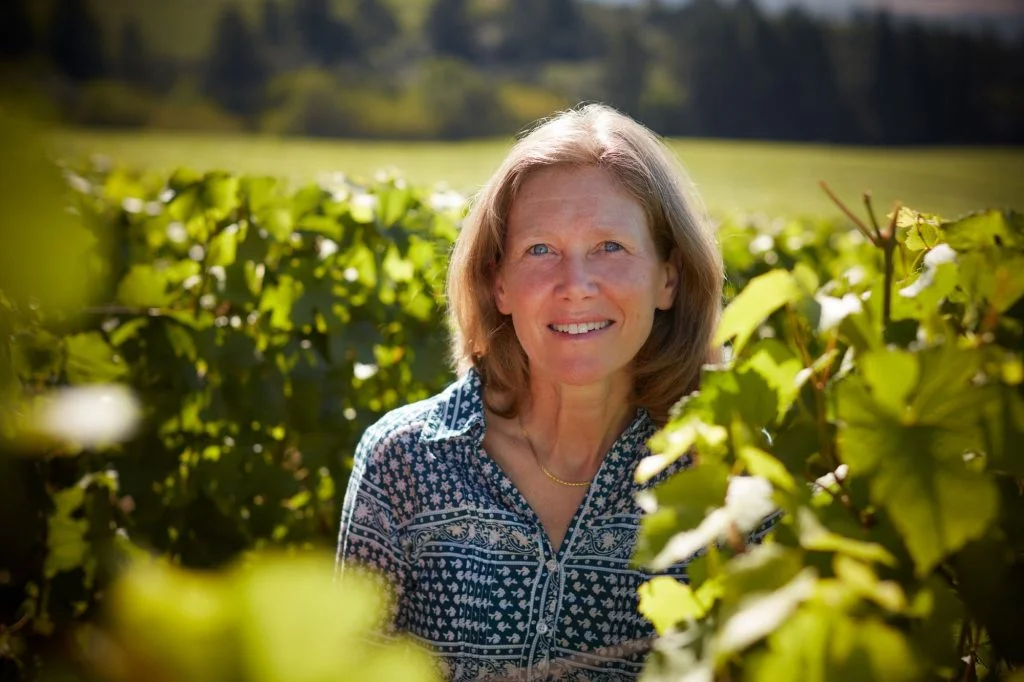
Véronique Boss-Drouhin
Winery: Domaine Drouhin Oregon
Véronique Boss-Drouhin has one foot in Oregon and the other in Burgundy. She oversees winemaking at both Domaine Drouhin Oregon and her family’s Maison Joseph Drouhin in Beaune. Not a bad commute, if you happen to like Pinot Noir.
Her Oregon story began with the 1986 harvest. Her father, Robert Drouhin, had already become intrigued by Oregon’s Pinot Noir after years of seeing the wines impress at blind tastings in France. The family made its move the following year, buying 225 acres in the Dundee Hills and establishing Domaine Drouhin Oregon.
There was no local playbook to follow. The team had to figure out everything from vineyard practices to equipment. That spirit of experimentation remains part of the appeal. Today, the relationship runs both ways. Boss-Drouhin says the Oregon team shares ideas with its Burgundy counterparts as often as the reverse. Oregon offers familiar Pinot Noir territory, but enough differences to keep things interesting. For a winemaker, that can be a pretty compelling combination.
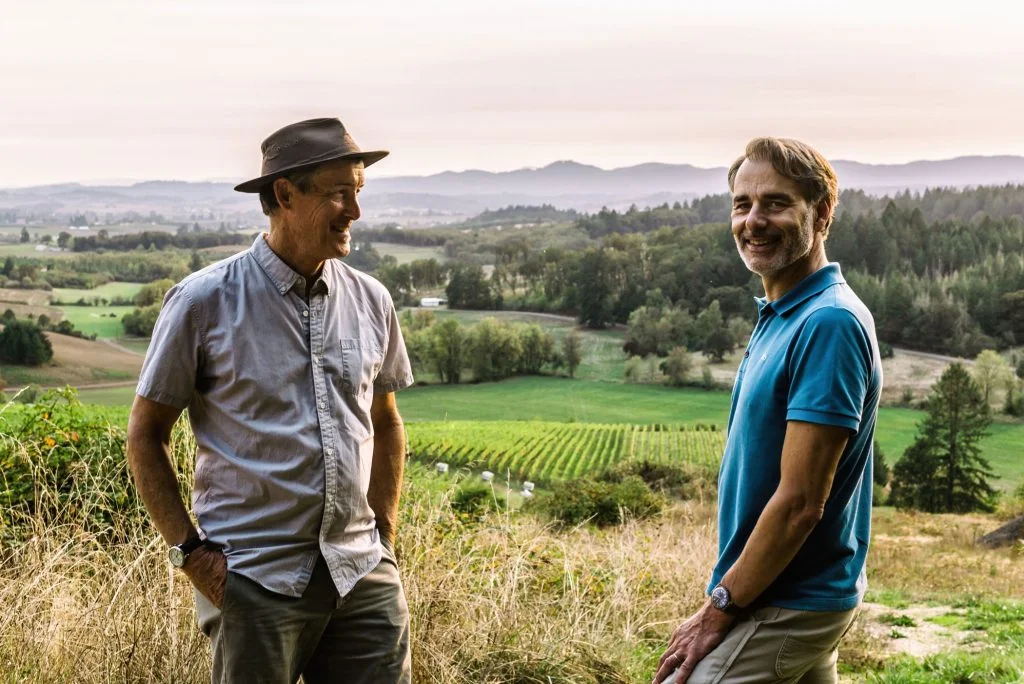
Jean-Nicolas Méo
Winery: Domaine Nicolas-Jay
Jean-Nicolas Méo knows Burgundy at its most exalted. For nearly 30 years, he helped shape wines from Domaine Méo-Camuzet in Vosne-Romanée and trained under legendary Burgundian winemaker, Henri Jayer.
Méo first explored the Willamette Valley in 1991 while attending the International Pinot Noir Celebration. What stayed with him was not just the wine, but what he calls Oregon’s “Burgundy-like charm and mentality.” He was drawn to the dedicated farmers, small family wineries and the sense that there was still plenty to discover.
He and Jay Boberg eventually turned that fascination into Domaine Nicolas-Jay, founded in 2012. Méo brings a Burgundian point of view to Oregon, but he isn’t trying to make Oregon Burgundy. The goal is to let the Willamette Valley show off in its own way. The Oregon fruit gets the final say.
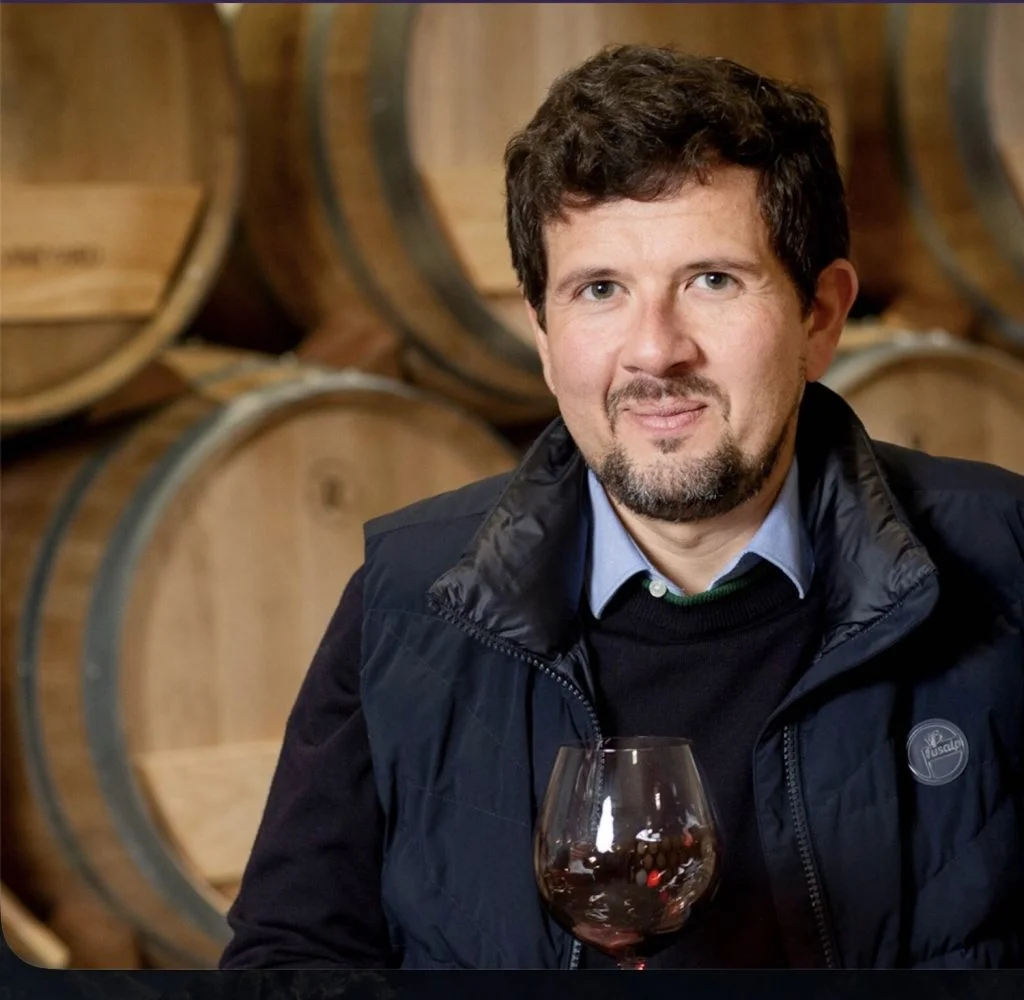
Guillaume Large
Wineries: Résonance, Maison Louis Jadot
Guillaume Large grew up among his great-grandfather’s vines in Pouilly-Fuissé. He later worked at Maison Louis Jadot, before joining Résonance in Oregon in 2016. Résonance grew from Jadot’s desire to establish its first winery outside Burgundy. Longtime Jadot winemaker Jacques Lardière came out of retirement to help launch the project. Large now leads the winemaking.
For Large, Oregon feels like a natural bridge from Burgundy. He calls it “the perfect transition from Burgundy,” pointing to the Willamette Valley’s small towns, gastronomy and people who care deeply about wine.
Large takes a site-driven approach, adapting Burgundian practices to Oregon, rather than trying to make Oregon play by Burgundy’s rules. That’s part of the fun for him. The familiar techniques are there, but the place keeps changing the equation.
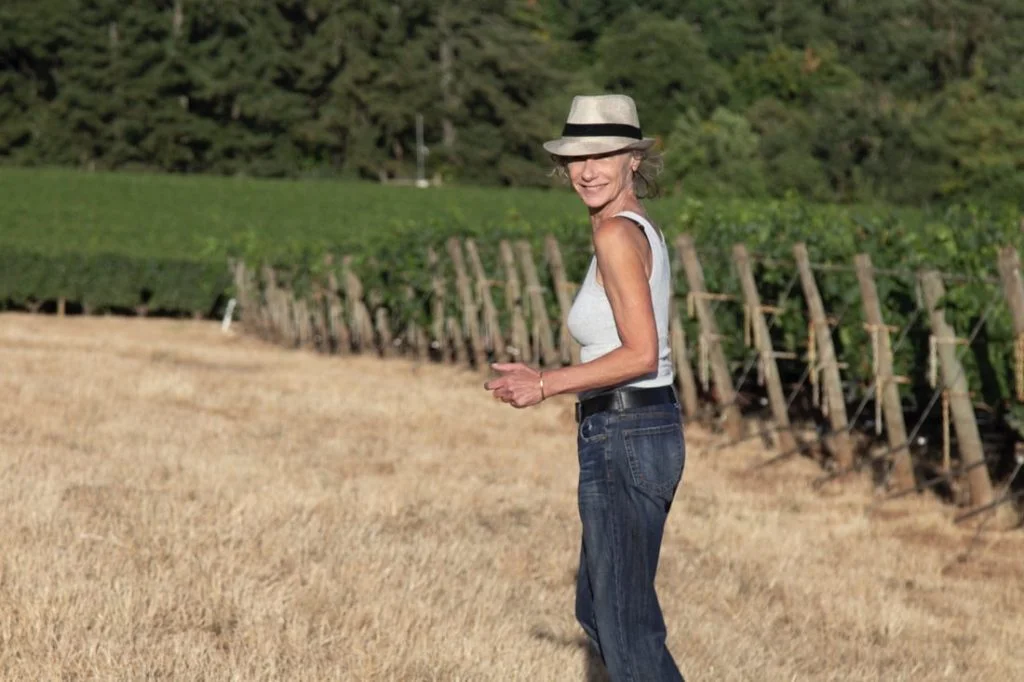
Isabelle Dutartre
Wineries: De Ponte Cellars, Caballus Cellars, 1789 Wines
Isabelle Dutartre’s Oregon story also begins in Burgundy. Born in Paris and raised in the Côte Chalonnaise, she joined Maison Joseph Drouhin after studying winemaking in Dijon. There, she met Véronique Boss-Drouhin.
She moved to Oregon in 1993 to help establish Domaine Drouhin Oregon. She joined De Ponte Cellars as winemaker in 2001, later launched her own 1789 label and co-founded Caballus Cellars with Boss-Drouhin in 2013.
So, what keeps a Burgundian happily planted in Oregon for more than 30 years? Freedom, for one. Dutartre can draw on her Burgundian instincts without asking Oregon to behave like Burgundy. The vineyards get to have the final word, and that seems to suit her just fine.
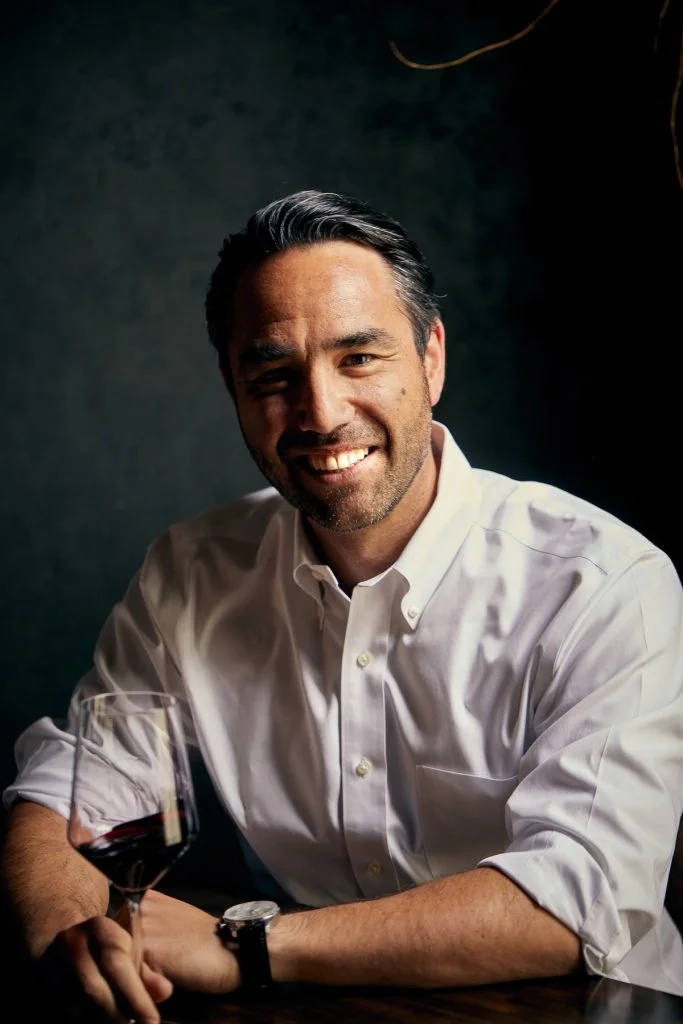
Jean-Baptiste Rivail
Winery: Ponzi Vineyards
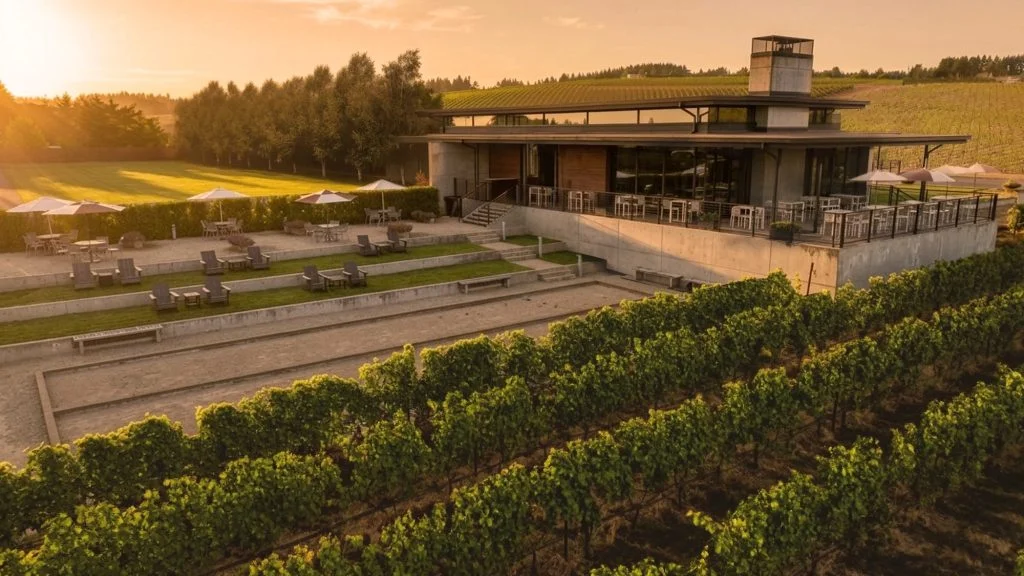
Here’s where the Champagne part comes in. Jean-Baptiste Rivail became CEO of Ponzi Vineyards in 2021, after a career that included Burgundy, Champagne, Hennessy Cognac and Napa’s Newton Vineyard. The quality of Oregon wines drew him to the region, as did a commitment to sustainable farming and the valley’s unusually strong family-winery culture.
At Ponzi, Rivail favors a terroir and vintage-driven philosophy rather than a prescribed house style. As he puts it, “the winemaker tries to disappear,” allowing each vintage and wine to express itself. That philosophy also says something about Oregon itself. It’s a young wine region with serious terroir, plenty of collaboration and, perhaps most enticingly, room to figure out what it wants to become.
A French Connection With Oregon Roots
In Oregon, Burgundy brought generations of knowledge about Pinot Noir and terroir. Champagne brought investment and another Old World perspective. French-trained winemakers added their own ideas.
The French came because they recognized something familiar. They stayed because Oregon gave them something new to work with. As a result, more than three decades later, Oregon wine culture features a bit of French flair.
Other Articles You’ll Like
Beyond Napa: America’s Most Exciting Wine Destinations
South African Wineries to Visit
At Home Among the Best Wineries in the World
FAQs
Q: Can you visit these French-owned and French-connected Oregon wineries?
A: Yes. Several of the wineries featured here welcome visitors for tastings, although experiences and reservations vary. Domaine Drouhin Oregon, Domaine Nicolas-Jay, Résonance and Ponzi Vineyards all offer ways to experience their wines and vineyards firsthand.
Q: What French grape varieties are grown in Oregon?
A: Pinot Noir gets most of the attention, but French varieties such as Chardonnay, Pinot Gris and Gamay also thrive in Oregon.
Q: What should you look for when tasting Oregon Pinot Noir?
A: Look for bright acidity, fresh fruit and earthy or savory notes, along with a lighter touch than many California Pinot Noirs. The best bottles can also show a surprising amount of complexity and ageability.
Lead photo: Ponzi Vineyards. Photo courtesy of the winery