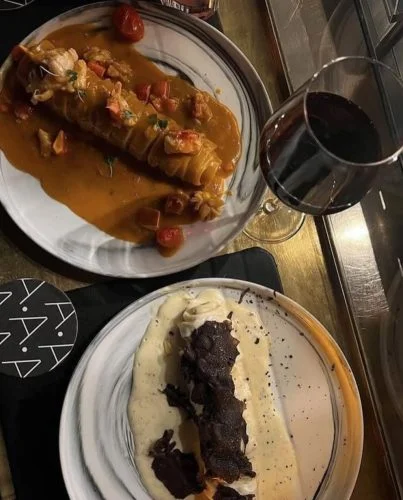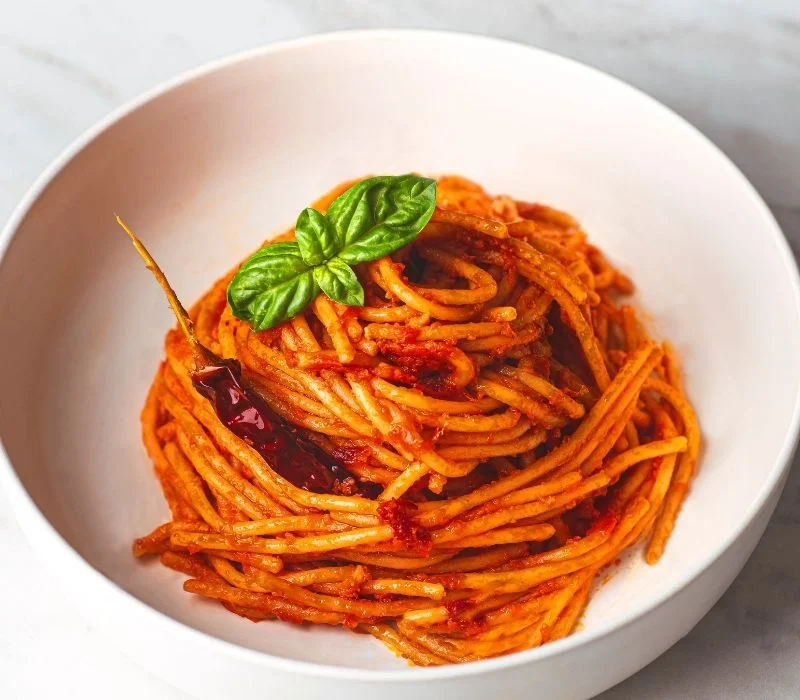
File this under recipes you didn’t know you needed in your life, because a burnt spaghetti recipe doesn’t exactly sound appealing. However, stay with us here, as the reward of this Spaghetti all’Assasina recipe is immense. This is a classic Puglian recipe that brings the smoke and heat by charring the spaghetti, and kicking up the spice a few notches.
It’s Called Assasin’s Spaghetti for a Reason
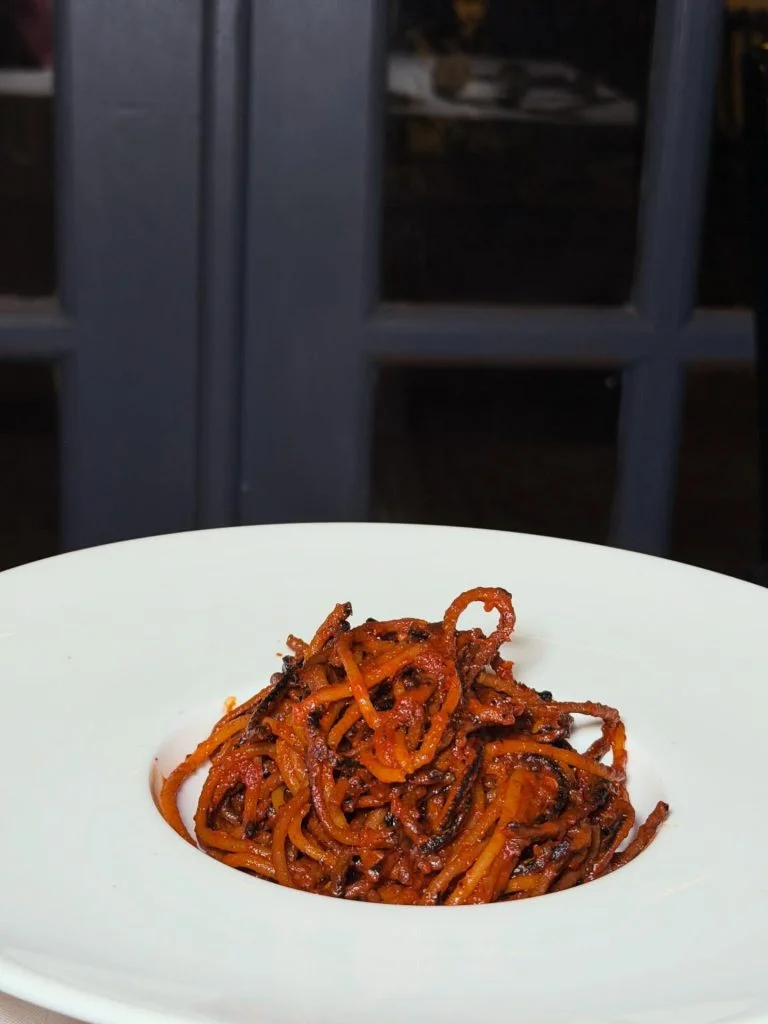
We would say that most pasta behaves itself; it’s boiled gently, sauced politely, plated without incident. And then, there is spaghetti all’assassina, which translates to “assassin’s spaghetti” for a reason. It is cooked directly in a screaming-hot cast-iron pan with no boiling water in sight. Kind of like risotto, spicy tomato broth is added in stages. But not enough to traditionally boil the pasta. Instead, this burnt spaghetti recipe is encouraged to char, blister, and catch on the bottom. The result is somewhere between pasta and something you’d order at a fire pit. We are obsessed.
A Shoutout to Bari
The story, as much as anyone agrees on it, goes like this: in 1967, there was a chef named Enzo Francavilla. Enzo worked in the kitchen at Al Sorso Preferito in Bari, when two visitors from Northern Italy ordered his spaghetti. They found it so aggressively spicy that they jokingly called him assassino — murderer. The name stuck, the restaurant is reportedly still serving it. But don’t feel like you’re not in the know if you haven’t heard of this spaghetti all’Assassina recipe. Puglia has been quietly guarding this dish as one of its best-kept secrets ever since. It’s also known as spaghetti bruciati, which just means “burnt spaghetti”. In case the first name wasn’t ominous enough for you.
A Burnt Spaghetti Recipes Comes Stateside
This spaghetti all’assassina is having a real moment stateside right now. We’ve seen it turn up on menus from Long Island’s La Nonna Bella to Lucciola here in the city. Once you understand the technique, it’s easy to see why. This isn’t a dish that hides its effort. The char on the bottom is the point.
The Technique Is the Whole Story
Here’s what makes this different from every other pasta recipe in your rotation. You never boil the spaghetti in water at all for this burnt spaghetti recipe. Instead, it goes into a hot, oiled cast-iron pan dry. From there you build the sauce around it in stages. First, a ladle of spicy tomato broth at a time, letting the pasta drink it down and catch slightly on the pan before the next pour. It’s the same rhythm you’d use to build a risotto. The starch that would normally go into your pasta water instead stays in the pan. This is what thickens the sauce as it goes. If you do it right, it glues everything into a dense, faintly smoky tangle as the finish dish.
A Few Tips
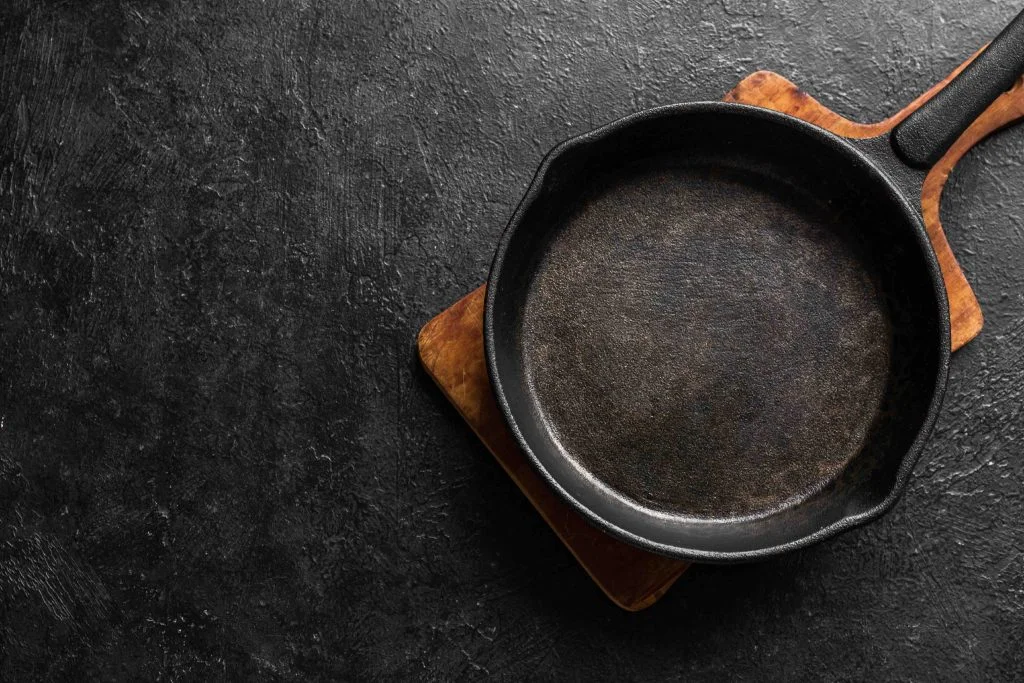
Real talk: your first attempt might look a little unruly, and that’s correct. This is a rustic dish by design, not a plated-with-tweezers one. Use a well-seasoned cast-iron or carbon-steel pan. Nonstick will not give you the burn you’re after. Break the spaghetti in half before it goes into the pan; whole strands won’t cooperate with this method. Lastly, don’t walk away. The difference between “beautifully caramelized” and “smoke alarm” is about ninety seconds.
Ingredients
400g spaghetti, broken in half
1/3 cup extra-virgin olive oil, plus more to finish
4 garlic cloves, thinly sliced
1–2 tsp crushed red pepper flakes, to taste
28 oz canned San Marzano tomatoes, crushed by hand
3 tbsp tomato paste
4 cups hot water or light vegetable stock, plus more as needed
Fine sea salt, to taste
Fresh parsley, chopped, for garnish
Grated Pecorino, optional, for serving
A Tip to Get you Started
Get your broth hot before you start. This is a fast-moving recipe once the pan heats up. Cold liquid hitting a hot pan will fight you the whole way through. Have everything prepped and within arm’s reach. There is no pausing to slice garlic once the spaghetti is in the pan.
Directions
In a small saucepan, warm the tomato paste with a splash of the hot water or stock until loosened, then stir it into the remaining hot liquid. Keep this warm on the back of the stove — you’ll be ladling from it throughout.
Heat the olive oil in a large cast-iron skillet over medium-high heat until it simmers. Add the garlic and red pepper flakes and cook for about 30 seconds, just until fragrant. Do not let the garlic brown or it will turn bitter. Next, add the crushed tomatoes and a good pinch of salt. Let the mixture come to a hard simmer for 3–4 minutes, until it thickens slightly.
It’s counterintuitive, but add the broken spaghetti directly to the pan, dry, and toss to coat it in the tomato mixture. Ladle in about a cup and a half of the hot tomato broth, just enough to mostly submerge the pasta. Let it cook undisturbed for a few minutes.
As the pasta absorbs the liquid and the pan starts to look dry, ladle in another cup of broth. Continue this rhythm — absorb, ladle, absorb, ladle. Stir only occasionally rather than constantly. You want the bottom layer to catch and caramelize against the pan.
Let It Char — On Purpose
In the final few minutes, hold off on adding more liquid and let the spaghetti sit against the hot pan a beat longer than feels comfortable. You’re listening and smelling for it here as much as watching. A faint crackle and a toasty, slightly smoky aroma mean it’s working. Deep amber-to-blackened spots on the strands touching the pan are correct, and a little smoke is correct. However full-on smoke alarm is your cue to pull it.
Off the heat, toss everything together one last time so the charred bottom layer redistributes through the rest of the pasta. Finish with a drizzle of good olive oil. Garnish with chopped parsley, and Pecorino. Serve directly from the pan if you can. This dish was never meant to look tidy on a plate, and part of the point is watching it come straight off the fire.
Other Recipes You’ll Like
A Rich Yet Healthy Kale Pasta
South African Wines to Know
Favorite Caviar Recipes