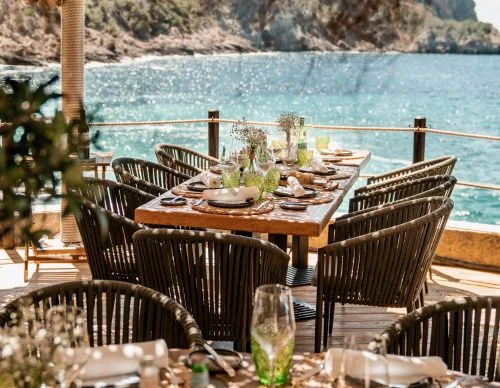






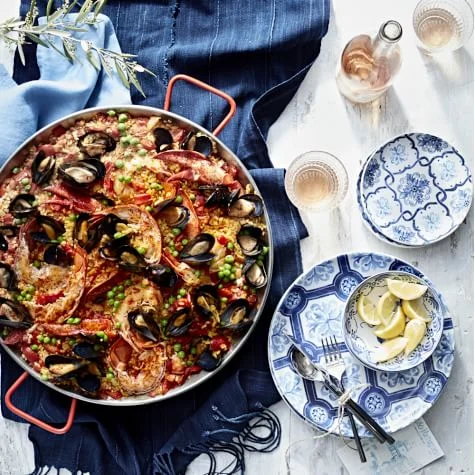
When your favorite summer memory is tendering from your yacht to shore for paella at Jondal, it’s understandable you may want to relive that moment again and again. So that’s when this summer seafood paella on the grill will be almost as good as the real thing.
Born to be Grilled
If food has a viewpoint, paella has strong opinions about how it wants to be cooked. Paella was born outdoors, among the orange and olive groves and vines in the Valencian countryside. Its origins started long before anyone plugged in a stove, so literally, fire is in its DNA. It’s an authentic paella when smoke works its way into the rice. The fire also happens to add a low, smoky perfume to the rice that no amount of smoked paprika can fake.
From a practical standpoint, the grill allows for more even cooking and for that perfect socarrat, which can otherwise be elusive when cooked on a stove. A stovetop burner heats a pan from one small point in the center, which is exactly the wrong shape of heat for paella. You want even, wide contact across the whole bottom so the rice cooks uniformly, and the prized crust forms on the bottom. The whole reason d’être of paella in my opinion is the socarrat. When you make the paella on the grill, that coveted socarrat forms evenly rather than in one scorched patch. That’s where this seafood paella on the grill recipe does justice to the origins of this famed dish.
A Shoutout to Belmond La Residencia
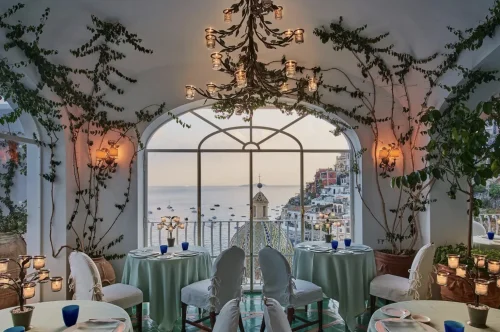
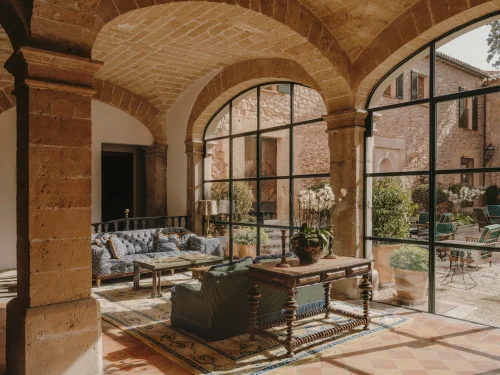
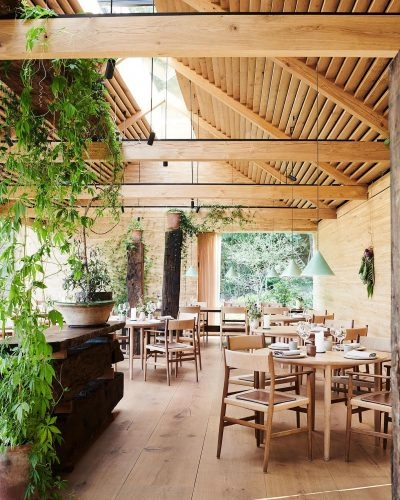
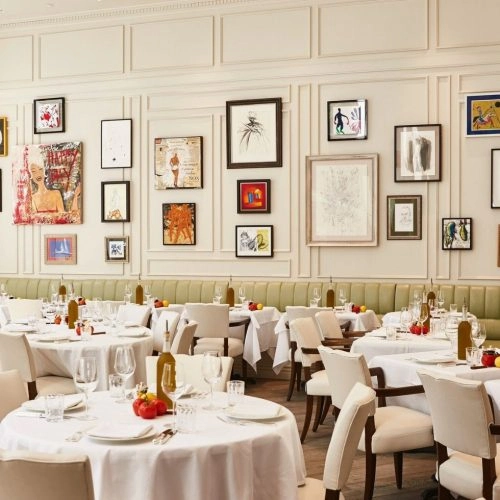
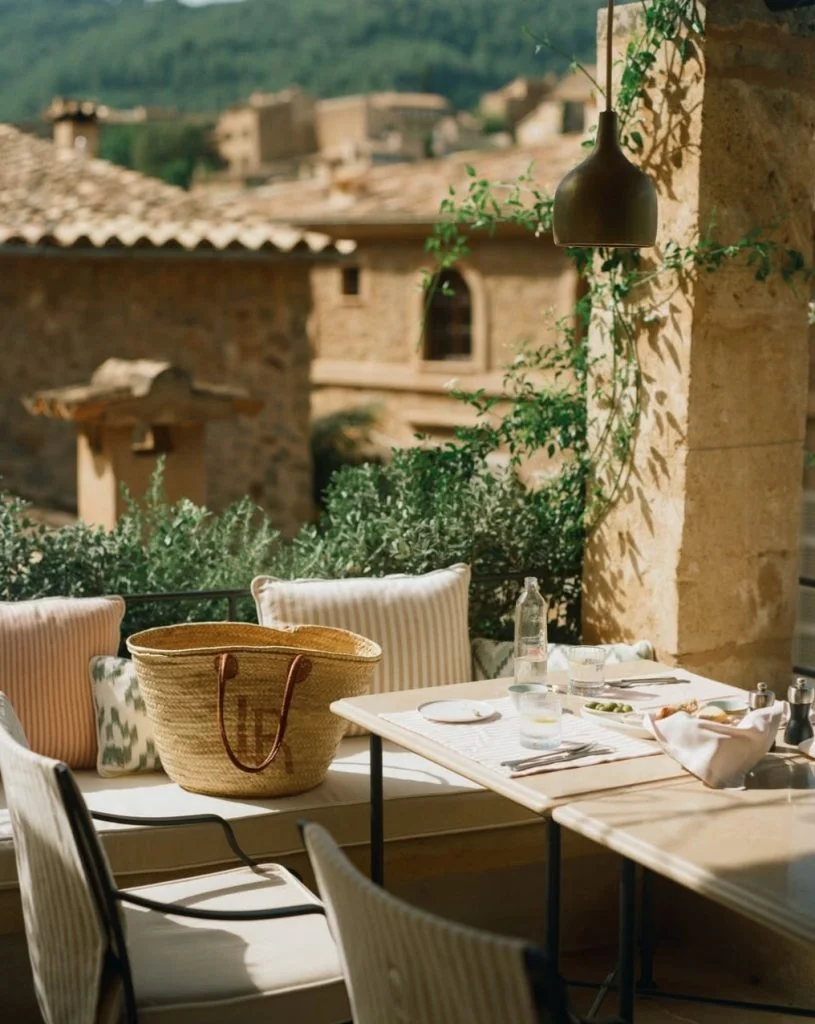
When I stayed at La Residencia in Mallorca, the chef prepared a special paella the day we had lunch at Restaurante Miró, the mountain-facing, art-filled dining room. This may have been the first time I saw paella made on a grill. I still dream of that paella, and that afternoon that was pure Mallorcan perfection. The views of the steep mountain cliffs surrounded by olive and citrus groves certainly added to the impact of the moment. But really, this was the very best paella I’ve ever had in my life. I’ve been in search of it ever since at other parts of Spain and restaurants in NYC, but nothing hits quite the same.
The chef made a massive paella on the grill outside, and I could have just eaten my weight in the seafood paella, with that perfect soccorat. I know that the only way I could somewhat come close to that moment is to make it myself. All you need is a regular charcoal or gas grill, a wide paella pan, and a willingness to let the rice sit still and do its thing will get you remarkably close.
A Few Tips
Do not stir the rice once the stock goes in. I know it feels wrong, but paella is not risotto. Constant stirring releases starch that turns the texture gluey instead of distinct and separate. Use bomba or Calasparra rice if you can find it. This rice absorbs an enormous amount of liquid without blowing out, which is exactly what you want. And build a proper two-zone fire. You need a hotter side to get things going and a more moderate, even zone to actually cook the rice through without scorching it.
Ingredients
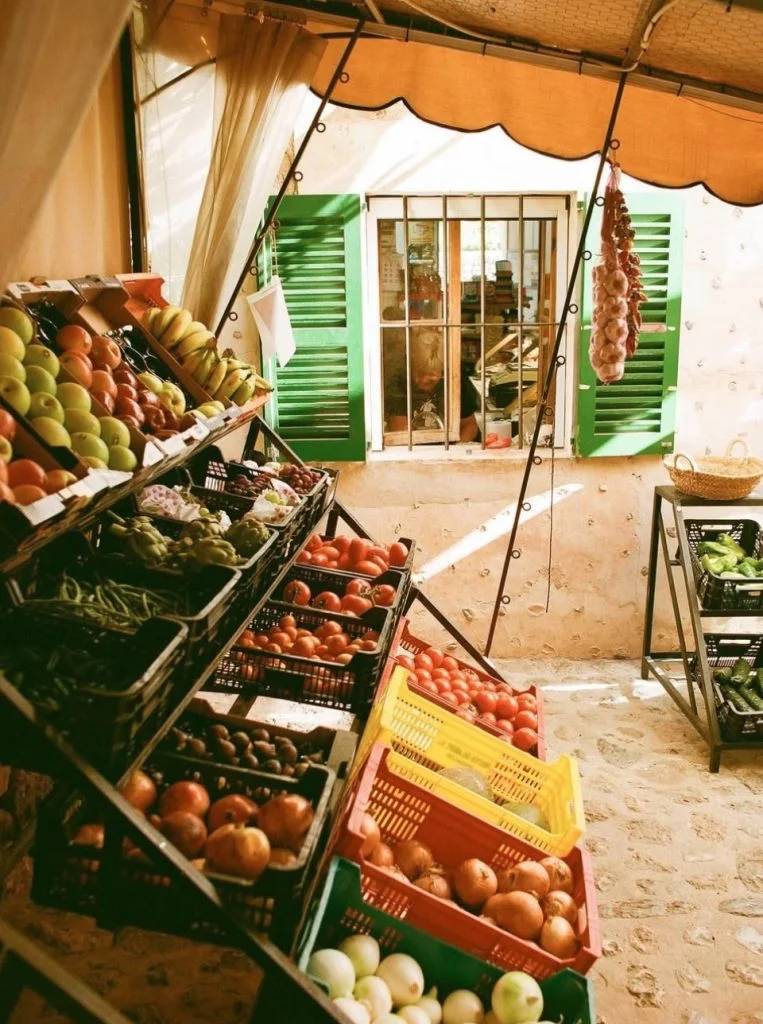
1/4 cup extra-virgin olive oil
1 lb large shrimp, peeled and deveined, shells reserved
1 lb mussels, scrubbed and debearded
1/2 lb littleneck clams, scrubbed
1/2 lb squid, cleaned and sliced into ring
1 yellow onion, finely diced
3 garlic cloves, minced
2 medium tomatoes, grated on a box grater (skins discarded)
2 tsp smoked paprika
1/2 tsp saffron threads, steeped in 1/2 cup warm water
2 cups bomba or Calasparra rice
5–6 cups hot seafood or shellfish stock
1/2 cup dry white wine
Lemon wedges and chopped parsley, to finish
Fine sea salt, to taste
Keep your stock hot on the side burner or in a pot near the grill the entire time — the same rule as any rice dish, but doubly true here. You don’t have the luxury of running back inside to the stove mid-cook. Prep and measure everything before you light the grill; once the rice goes in, this moves fast and you won’t have a free hand.
Directions
Light your grill for direct, two-zone heat — a hotter side and a more moderate side. For charcoal, bank the coals to one side; for gas. Leave one or two burners on high and the rest on medium-low. You want the paella pan to have room to move between zones as the cooking progresses.
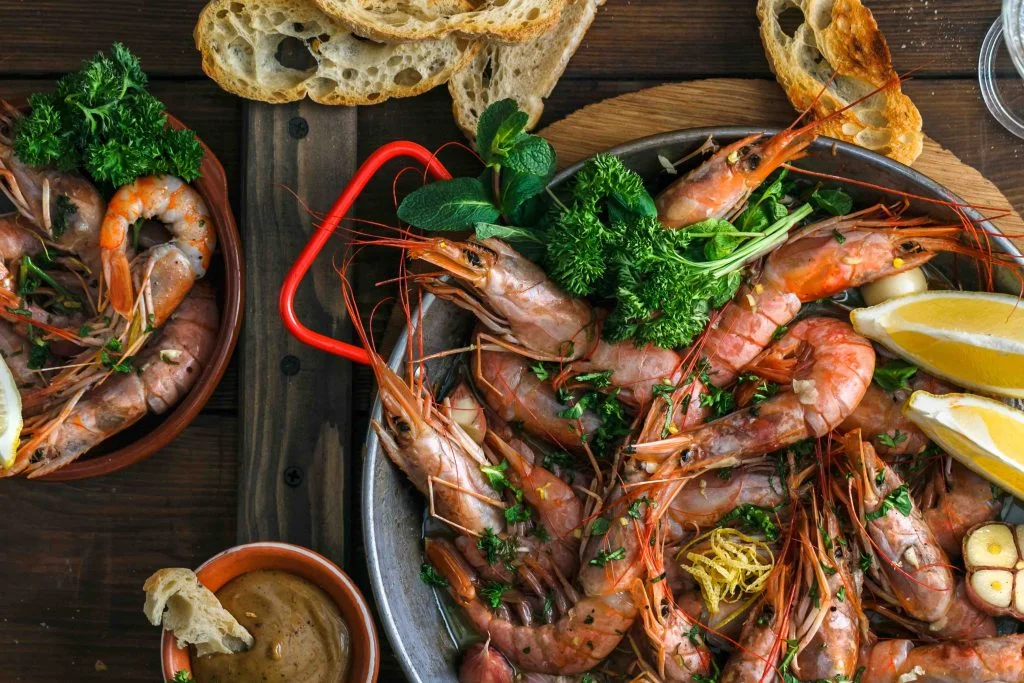
The next part is a step that pays off in dividends, so try not to skip it. Place the paella pan over the hot zone and add half the olive oil. Sear the shrimp and squid quickly, just 1–2 minutes, until barely cooked through. You’re building flavor here, and in a sense, seasoning the pan. Remove to a plate; they’ll go back in later. Next, it’s time to build what is known as the sofrito. Add the remaining oil to the pan, still over the hot zone. Next, add the onion and cook, stirring occasionally, until softened, about 5 minutes. Add the garlic and cook another minute, then stir in the grated tomato and smoked paprika. Let it cook down until it darkens slightly and smells deeply savory, 5–6 minutes.
Next, add the rice directly to the sofrito and stir to coat every grain in the fat and tomato. This step matters more than people think. It’s the difference between flavor and the right texture, and rice that’s just a vehicle for stock. Toast for 1–2 minutes. Pour in the white wine and let it bubble away for a minute. Add the saffron and its soaking liquid, then the hot stock — enough to cover the rice by about half an inch. Shake the pan gently to distribute everything evenly. From this point on, resist every urge to stir. Move the pan to the more moderate zone and let it simmer, undisturbed, for about 15 minutes.
Nestle the mussels and clams into the rice, hinge-side down, along with the reserved shrimp, squid, and peas. Continue cooking, still without stirring, until the rice has absorbed nearly all the liquid and the shellfish have opened, another 8–10 minutes. Discard any shellfish that don’t open.
It’s Time to Soccorat
In the final few minutes, shift the pan back over the hotter zone for 60–90 seconds to encourage a crackling, caramelized crust on the bottom. You’ll hear a faint crackling sound and catch a toasty aroma when it’s happening. Pull it before that crosses into actually burnt. Remove from the heat, tent loosely with foil, and let it rest for 5 minutes. This lets the rice finish absorbing any remaining liquid. Finish with lemon wedges and garnish with parsley. Serve straight from the pan in the center of the table.
Other Recipes You’ll Like
The Ultimate Tiered Seafood Platter
Best Scrambled Egg Recipe
The 3-hour Couscous Recipe