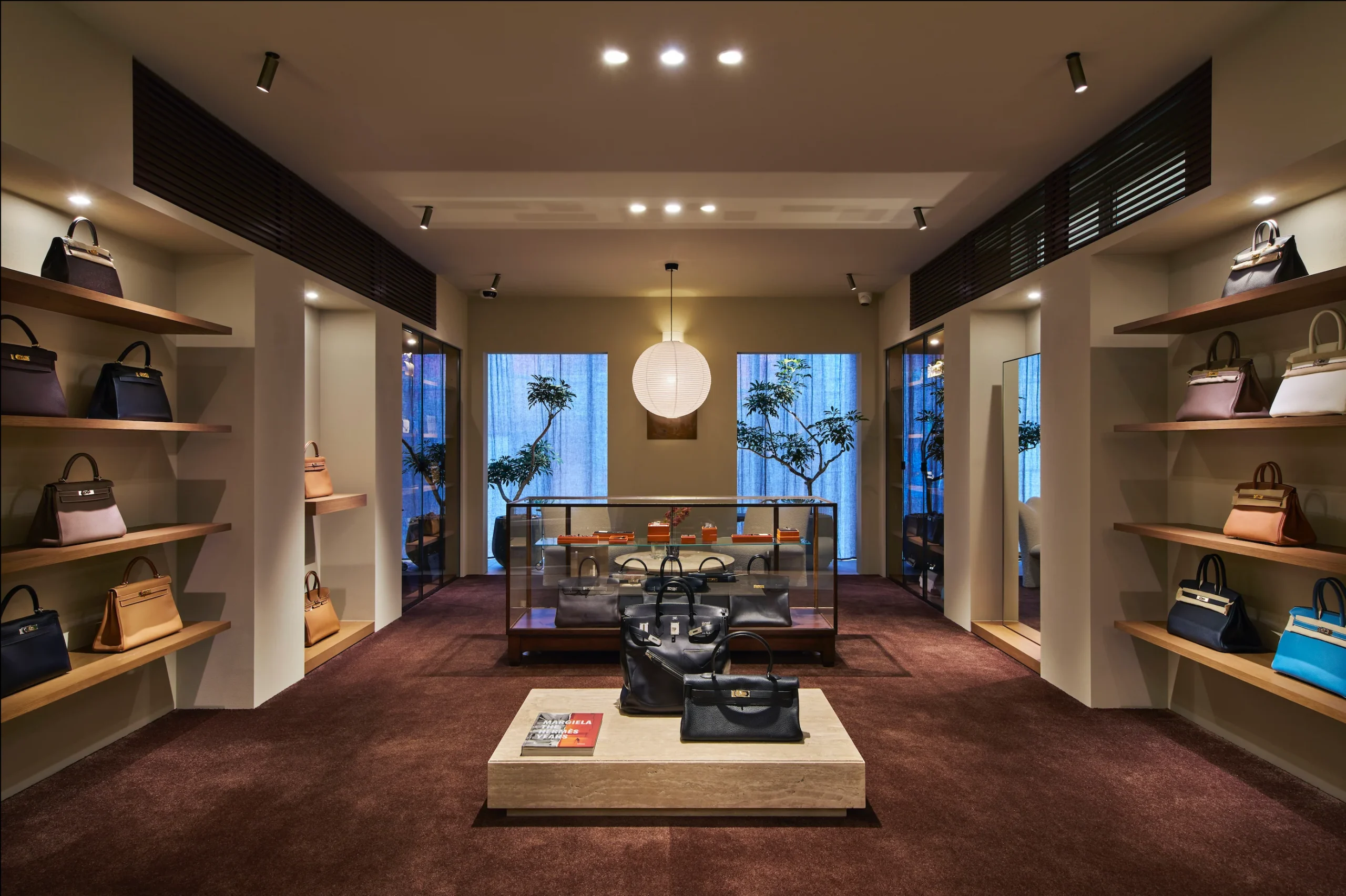
There are lots of ways one could spend money while traveling abroad, especially in a place like Tokyo. Amazing restaurants, spas, weekend excursions, luxury hotels — the list goes on. However: if you like to spend your money how I like to spend my money, in the form of a vintage designer bag, then Tokyo (and this article) is for you.
The vintage shopping in Japan as a whole is truly unbelievable. Japan has a strict designer reselling policy, in which every item is carefully vetted to ensure authenticity. If you sell fake goods, you risk imprisonment — it’s that serious. So you know that when you go vintage shopping, you’re only getting the best of the best, and the most authentic. There are many parts of Japan that have one-of-a-kind vintage stores; if you aren’t in Tokyo, don’t fret. But, for those of you who are planning a trip to Tokyo (or are planning one back to Tokyo), here is my list of my favorite vintage designer stores that I visited (some once, some multiple times) on my trip to Japan this march.
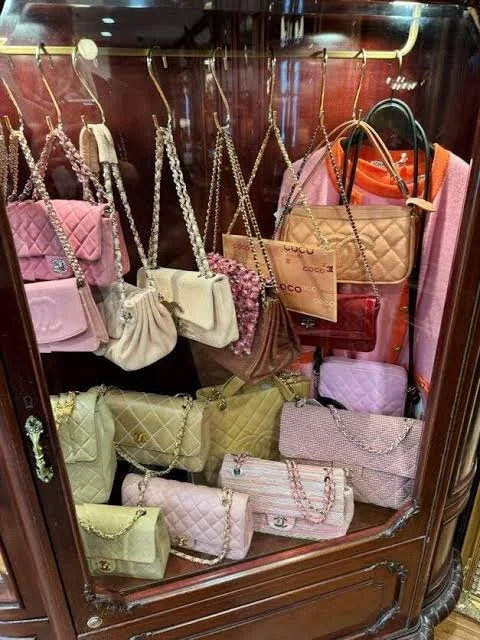
Consider this your map for vintage designer bags in Tokyo, organized by neighborhood, so you can actually plan a route instead of crisscrossing the city all day. And pro tip for vintage shopping: make sure you’re well watered, well fed, and have comfortable shoes on. Don’t let annoyances get in the way of a great score.
Ginza: Where Old-World Tokyo Meets Serious Resale
Ginza is where I’d start if you only have one day to dedicate to this mission. It’s polished, walkable, and packed with enough options that you could realistically hit five stores before lunch.
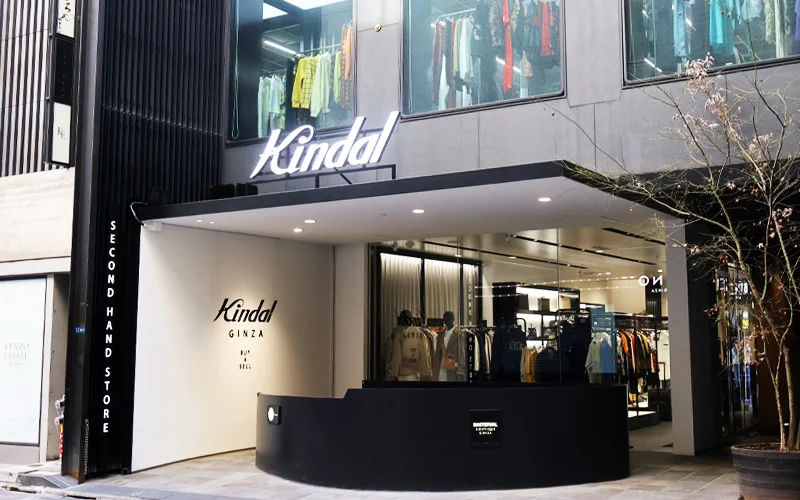
Kindal was my first stop, and it set the tone for the whole trip. It’s part of a small chain across Tokyo, so if you don’t make it to the Ginza location, you’ll likely pass another one somewhere else in the city. Think of it as a reliable baseline: well-organized racks, fair prices, and a rotating stock of both everyday pieces and the occasional splurge-worthy bag.
RT Ginza was my favorite stop in the entire neighborhood. It’s part of the RAGTAG family, which means the vetting process is airtight, and the selection leans more luxury than a lot of the smaller shops nearby.
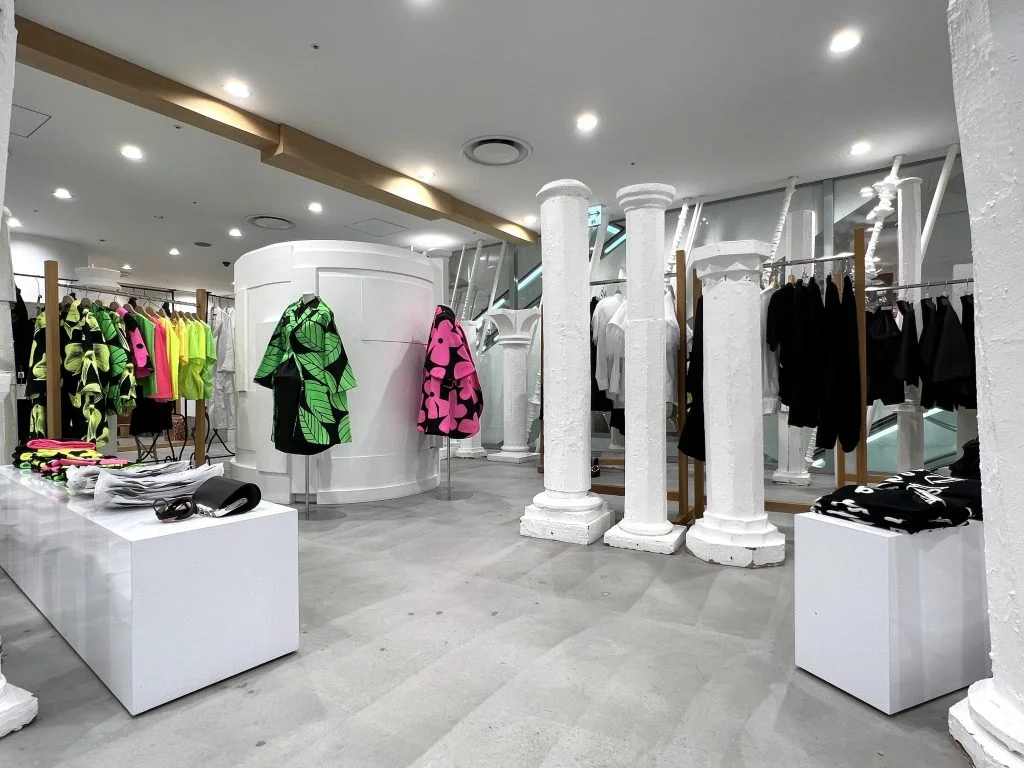
If you want to round out the day with something beyond vintage, Beams Ginza is a multi-floor concept store worth a walk-through, even if you don’t buy anything. It’s more curated new fashion than resale, but it’s a good break between thrifting stops. The same goes for Dover Street Market Ginza, the famously strange and wonderful multi-brand shop from Comme des Garçons, where the vintage pop-ups rotate often enough that you never know what you’ll find.
Daikanyama and Nakameguro: The Slower, More Design-Forward Side of Town
If Ginza is the sprint, Daikanyama and neighboring Nakameguro are the walk you take to recover from it. Both neighborhoods are quieter and greener (and two neighborhoods that I could have absolutely seen myself moving to). The boutiques here feel more like someone’s personal collection than a store.
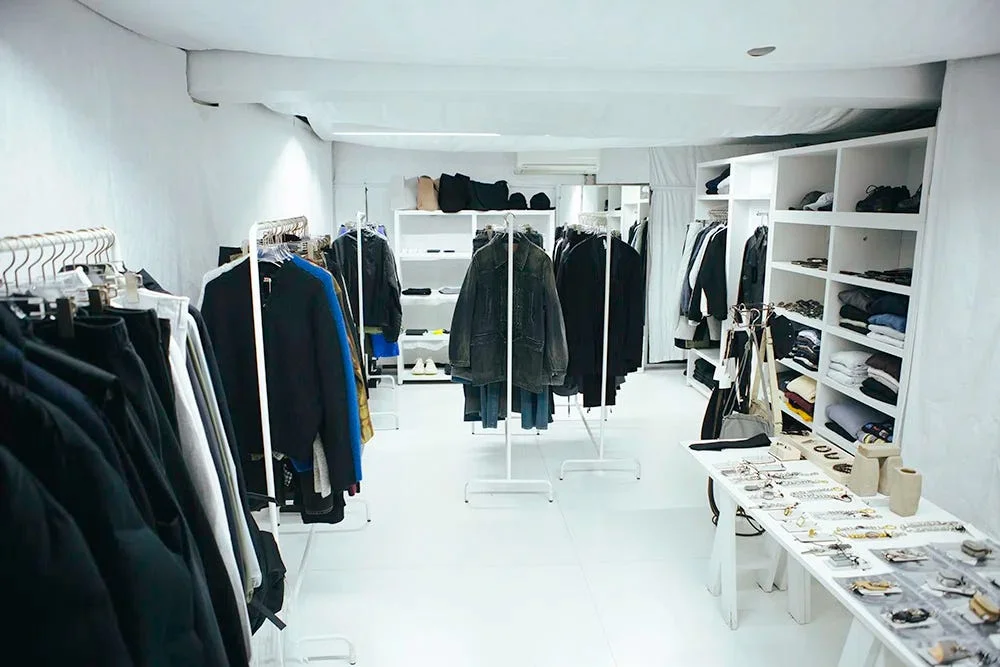
O Daikanyama is a select shop, tucked into the neighborhood’s quieter streets. It’s worth a stop even if you aren’t sure what you’re looking for yet. A few minutes away, Coverchord Nakameguro mixes denim, streetwear, and vintage in a way that feels distinctly Tokyo.
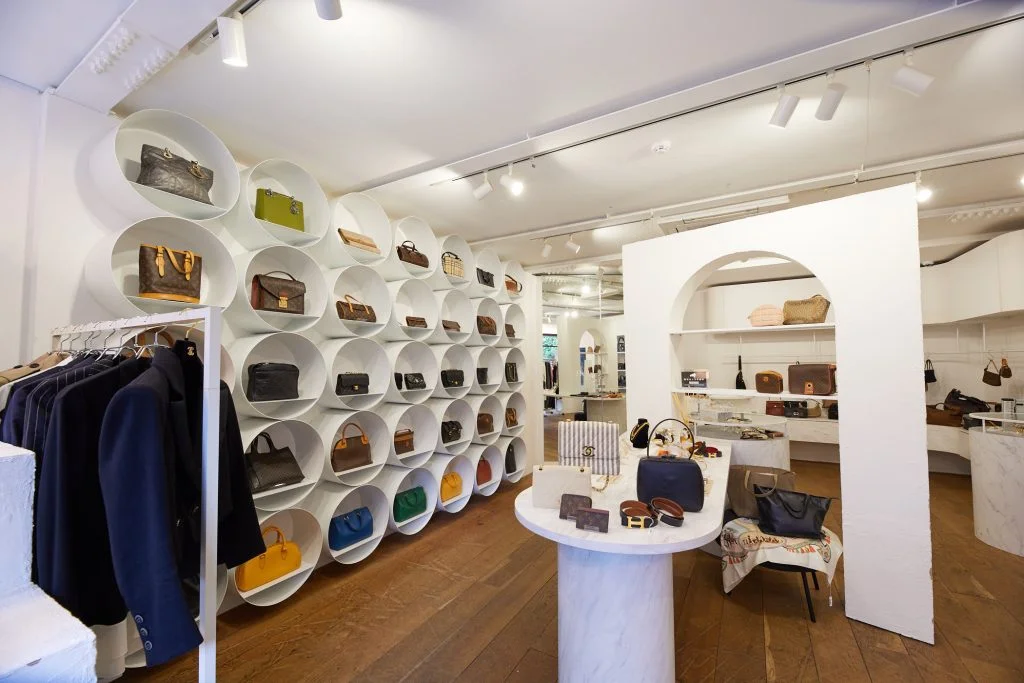
Save real time for Hedy, a dedicated vintage designer bag shop in Daikanyama. It has quietly built a reputation as one of the best in the city for exactly what this article promises. And when you need a break from shopping entirely, head to Daikanyama T-Site. The Tsutaya-run bookstore and lifestyle complex is one of the most beautiful places in Tokyo to sit with a coffee and reset.
Harajuku and Omotesando: The Main Event
If you only have time for one neighborhood, make it this one. Harajuku and Omotesando hold the highest concentration of vintage and designer resale shops in the city. You could spend an entire day here without repeating a store.
KINJI Harajuku was one of my favorite stops on the whole trip. It’s a massive, multi-floor used clothing shop that leans more budget than boutique. That makes it perfect for digging through racks if you’ve got an hour to spare.
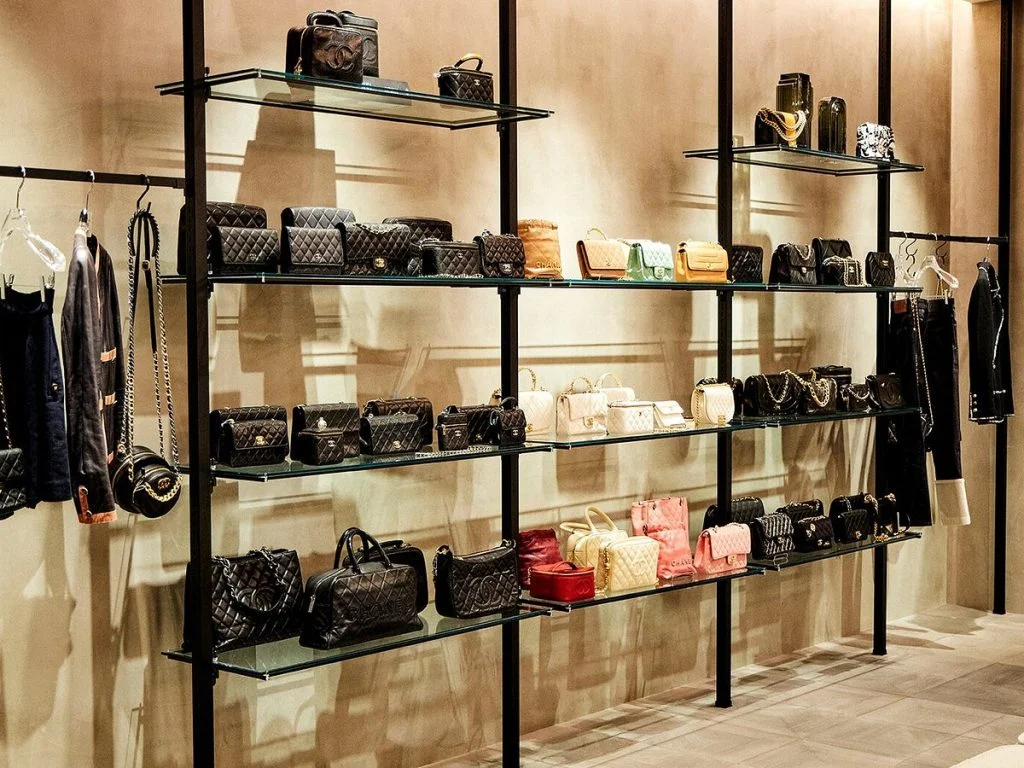
MixThinks Harajuku deserves a special mention. I found my Chanel bag there, tucked among roughly 7,000 other pieces spread across two floors. If you’re serious about the hunt, this is not a store to skip.
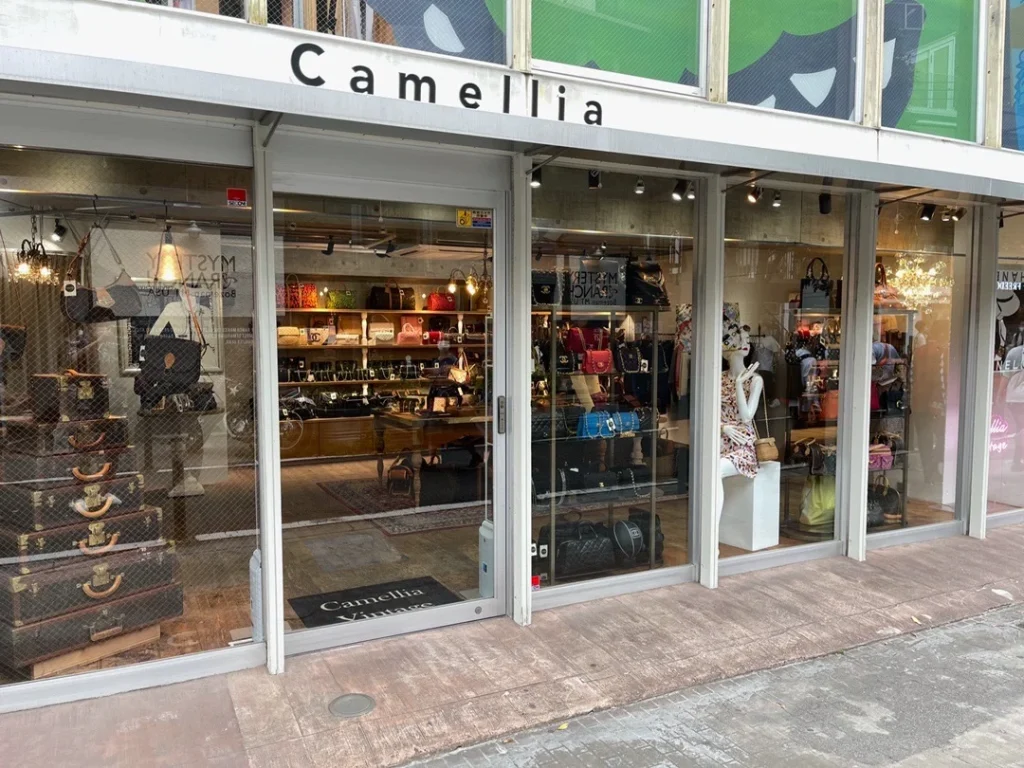
From there, Camellia Vintage is smaller and more curated, a good stop if you want a tighter edit rather than another warehouse-sized selection. Bazzstore and RAGTAG round out the neighborhood with more of that well-vetted resale Tokyo does so well, and Second Street is worth a visit if you want to see the more accessible, everyday end of Japan’s secondhand market.
The Handbag Specialists Worth a Special Trip
A few stores on this list exist purely to sell vintage designer bags in Tokyo, no detours through clothing racks required. If your goal is narrower than mine was, start here.
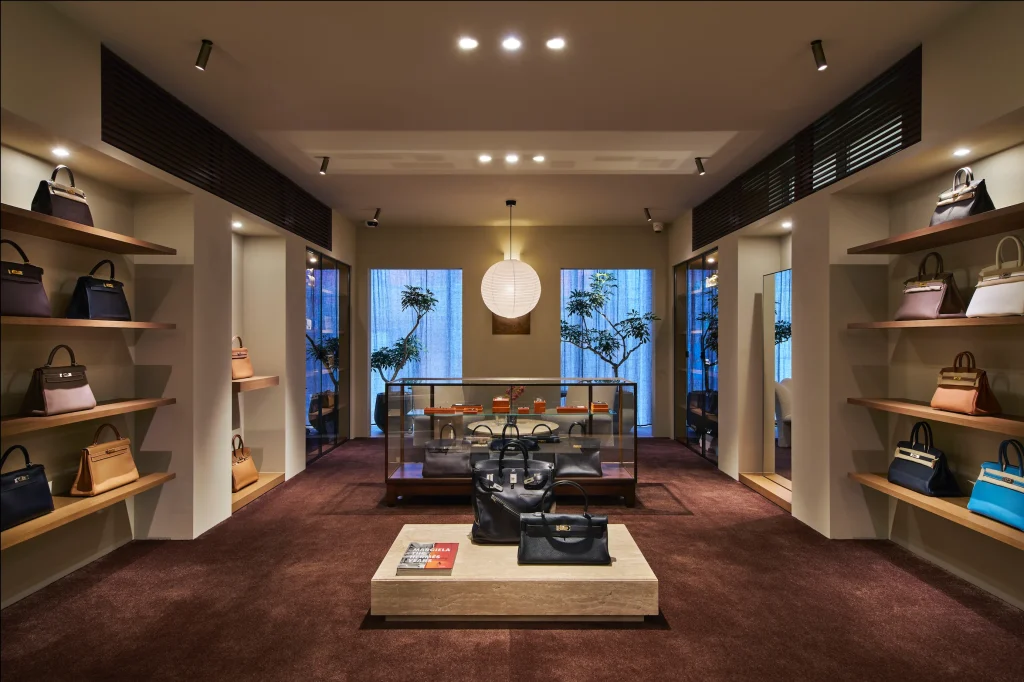
QOO was my favorite of the entire list. It’s a dedicated vintage bag shop with a location inside Laforet Harajuku, and the selection was deep enough that I went back three separate times. Paradise Vintage is another dedicated bag specialist, with a particularly strong Chanel selection (if that’s the brand you’re chasing). And Rainbow is worth its own line too: a smaller shop, easy to miss, and exactly the kind of place that makes vintage shopping in Tokyo feel like a treasure hunt instead of a transaction.
Beyond the Bag: Two Bonus Stops
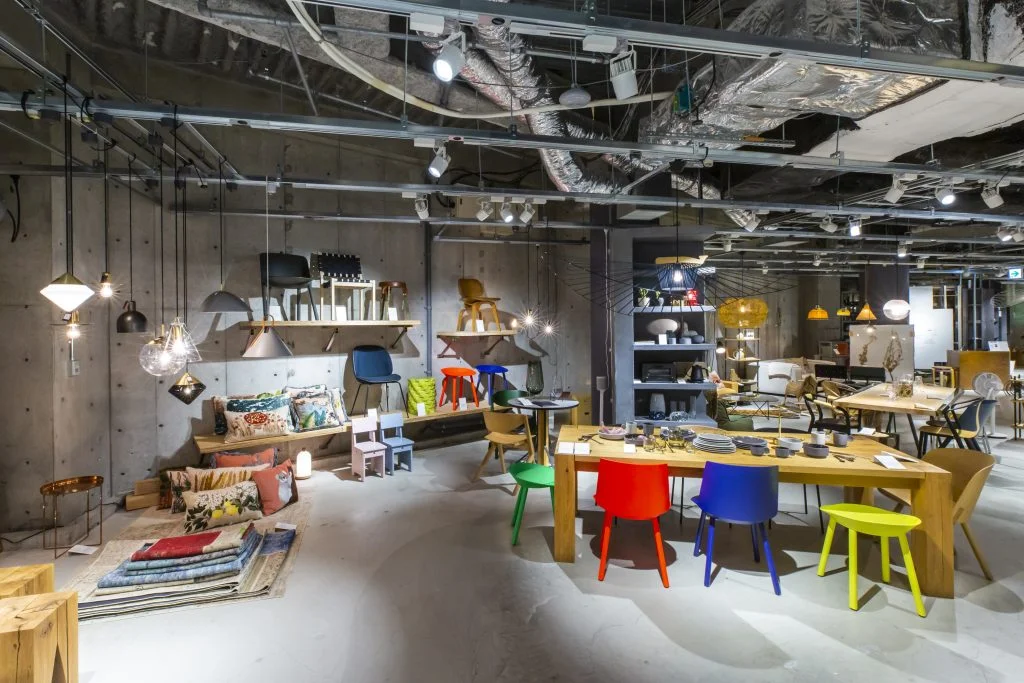
Not everything on this list is about resale. If you need a break from vintage hunting, @cosme in Harajuku is worth the stop. It’s essentially a beauty department store built entirely around crowd-sourced product reviews, and it’s a genuinely useful place to find Japanese or Korean beauty products you can’t easily get at home. Cibone is the opposite kind of shopping entirely: Japanese design objects and home goods. It’s full of the kind of knick-knacks you didn’t know you needed until you’re standing in front of them.
Other Articles You’ll Like
Japan’s Design Hotels
Cheval Blanc’s Dior Spa
Turkey’s Antique Atelier
FAQs
Q: Is shopping for vintage designer bags in Tokyo worth building a special day around?
A: Yes. Japan’s resale laws require every item to be authenticated before it’s sold. That makes the risk of buying a fake far lower than in most other vintage markets, and it makes the hunt worth the time.
Q: Which neighborhood has the most vintage stores?
A: Harajuku and Omotesando have the highest concentration by far, though Ginza and Daikanyama each have a handful of serious, well-curated options worth the trip.
Q: Do I need to speak Japanese to shop at these stores?
A: No. Most staff in these neighborhoods are used to international shoppers, and prices, sizes, and brand names are usually visible enough to navigate without much conversation.
Q: What should I budget for a vintage designer bag in Tokyo?
A: This varies significantly by brand, condition, and store, so it’s hard to give a ballpark. I would say be prepared to spend at least $1500 on the low end, and up to $5000 on the high end.