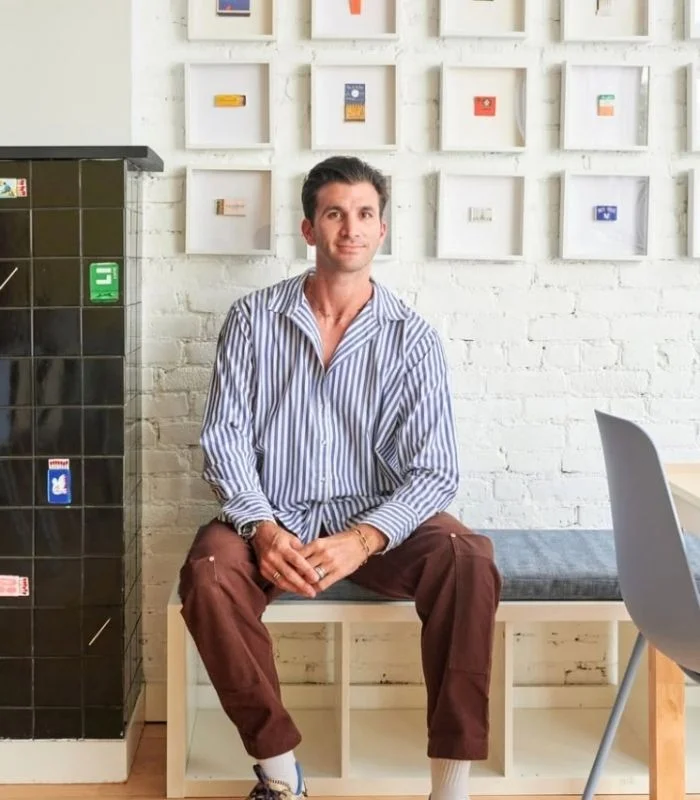
Some people just do cool things. Matthew Perlman is one of them. He has almost single-handedly revived the art of the matchbook. It’s a tiny piece of hospitality history that nearly went out (literally) when restaurants banned indoor smoking. Matchbooks are having a moment again, and the beautifully designed ones are becoming collector’s items. Perlman is a big reason why.
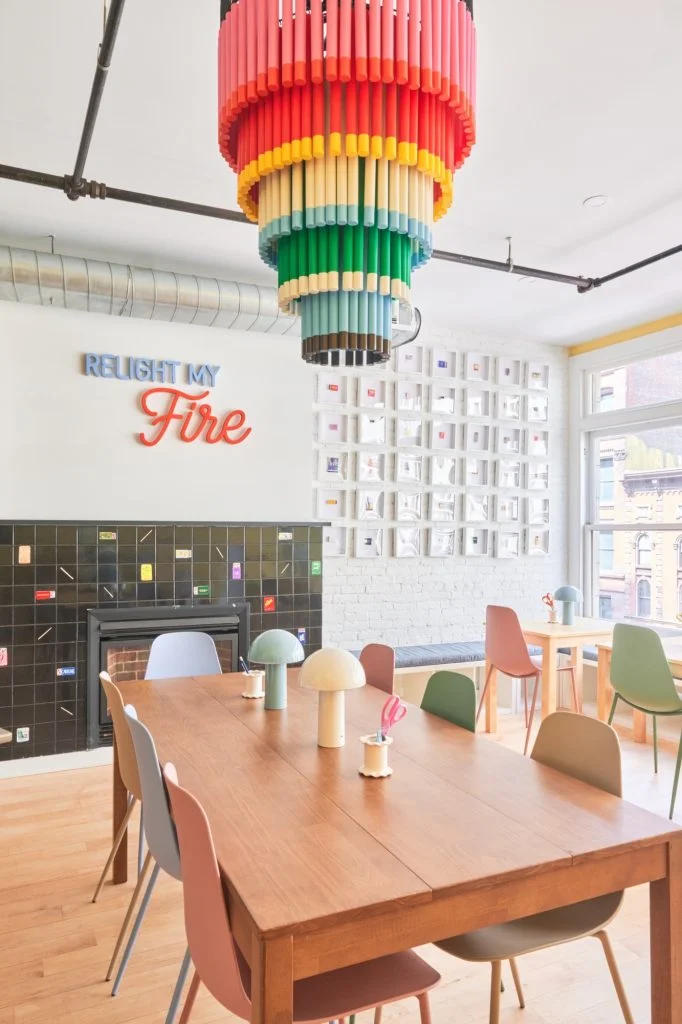
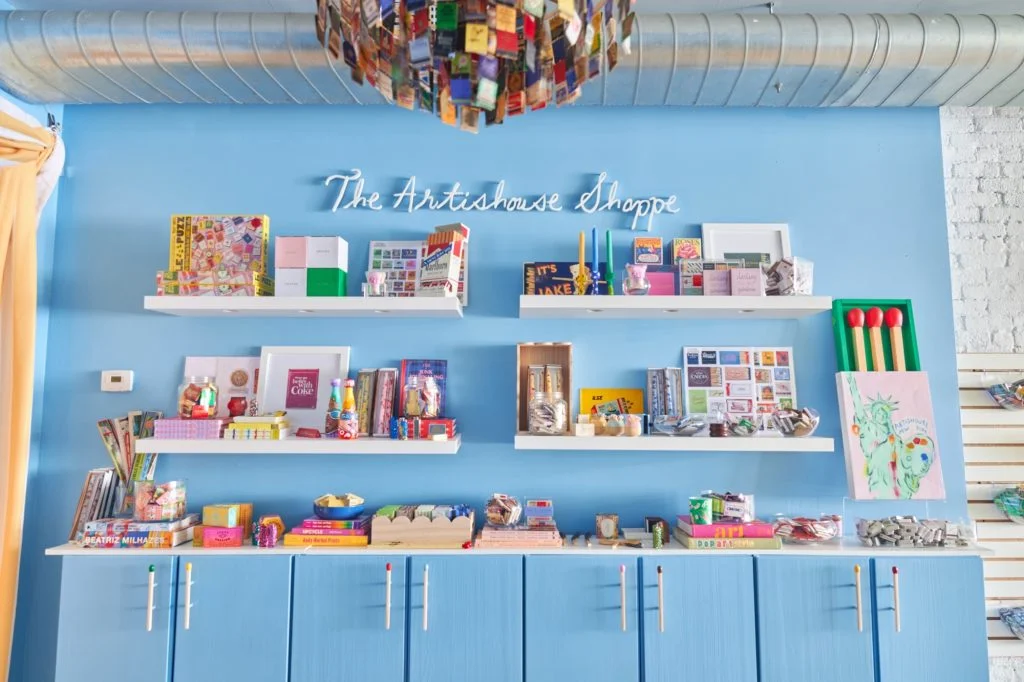
Perlman is the founder of Artishouse — a studio, shop, and workshop space in New York City. It brings creativity, retail, and community under one roof. Visitors can take a class or shop work made by independent artists. Increasingly, they can also learn to frame and display their own matchbook collections. Below, Perlman talks about the matchbook revival, what makes a matchbook collectible, and the family history that started it all.
The Story Behind Artishouse
Galavante: Artishouse brings together a studio, shop, workshops, and community under one roof. What did you feel was missing in New York that made you want to create a space like this?
Matthew: I felt like New York was missing a place where creativity could be accessible and social without feeling intimidating. I wanted a space where you could walk in and make something with your hands. You could shop things made by artists, meet people, and just feel inspired. Artishouse has always been about giving people permission to be creative, even if they don’t consider themselves artists.
Galavante: In such a digital world, why do you think people are craving tactile, hands-on experiences again?
Matthew: I think we’re just tired of screens. So much of our lives happen on our phones now. There’s something really satisfying about sitting down and physically making something. I can’t tell you how many times I’ve seen people come into our studio and get completely locked in. Heads down, creating, they don’t even look at their phones during the entire workshop. You have to be present, and I think people are really craving that.
Why Matchbooks Are Back
Galavante: Why do you think matchbooks are experiencing such a resurgence right now, and why are people drawn to them again?
Matthew: They’re nostalgic, they’re beautiful, and they’re one of the few things people actually want to take home with them. Matchbooks are the perfect keepsake for remembering a special occasion. A dinner with friends, a birthday party, or just a really great night. Having this tiny souvenir from a memorable moment in your life is such a treat.
Matchbooks as Branding
Galavante: What is it about a matchbook that makes it such an effective piece of branding or design for a restaurant or hotel?
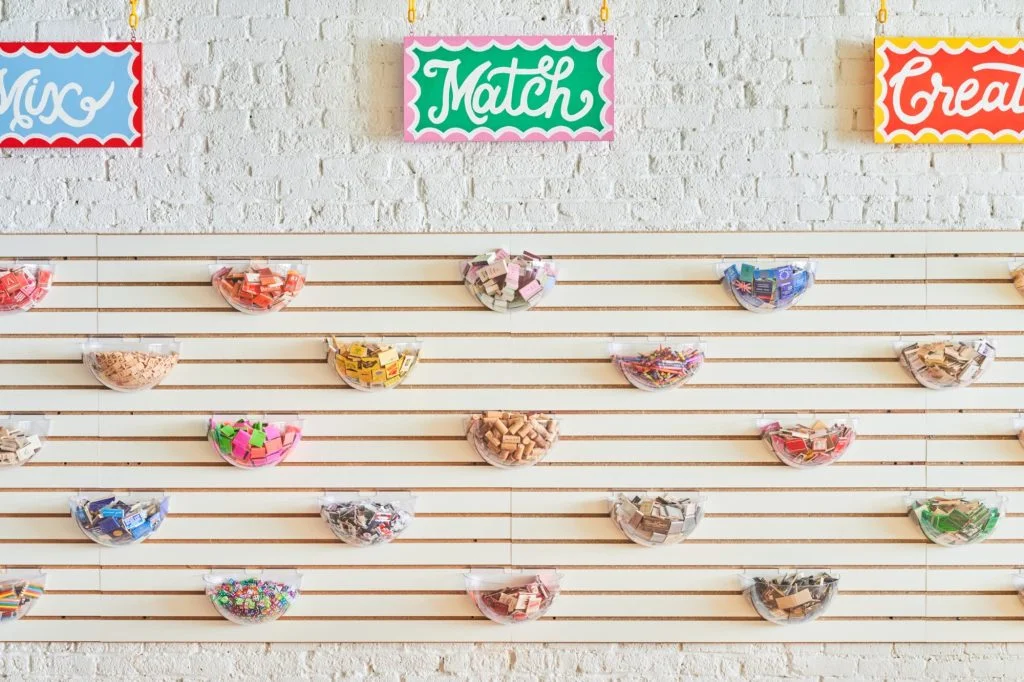
Matthew: You can communicate the entire personality of a restaurant or hotel on something that’s only a couple inches wide. Then your customer takes it home. Great matchbooks become part of people’s decor and collections. The brand continues to live in someone’s home long after they leave. And of course, if you want to turn them into art, you come to Artishouse.
A Family Matchbook, and the Start of a Collection
Galavante: Do you remember the matchbook that first made you want to start collecting them?
Matthew: I had already started collecting matchbooks when our workshop began picking up traction. But there was one moment that completely changed the way I looked at them. I bought a random bag of vintage New York matchbooks. When I opened it, the first one I saw was from Wings — a super-chic pink restaurant on Wooster Street. My grandfather actually opened it in 1981. I couldn’t believe it. That matchbook quickly became a piece of my family’s history. It made me realize just how much history can live inside something as small as a matchbook.
Galavante: What makes a matchbook collectible to you — the design, the place it comes from, the memory attached to it, or some combination of all three?
Matthew: Definitely all three, but the memory is probably the most important part for me. I love an amazing design. But a really simple matchbook can mean more to me than something objectively rare or beautifully designed, especially if it’s from a restaurant where I had an incredible night.
And being a New Yorker, I love experiencing the history of New York through these matchbooks. Seeing which restaurants are still open after all these years, which have closed, and what now lives in those spaces. New Yorkers pride themselves on how much we love our city, so having these little time capsules that can transport us back to another moment is pretty incredible.

Matthew’s Favorite Matchbooks
Galavante: What is your favorite restaurant matchbook?
Matthew: Such a tough one, because there are so many restaurants pushing what they can do with matchbook design. I love Clemente Bar because of the size and that bright orange color. And I love American Bar because its matchbox is such a beautiful piece of hand-drawn art. I like to think of matchboxes as mini canvases for artists.
Galavante: What’s your favorite hotel matchbook?
Matthew: The Champagne Bar at The Plaza has such a chic and elegant matchbook, just like the hotel itself. Another one of my favorites is from The Standard, East Village. It’s only about an inch tall, but it’s the cutest little pink matchbox from their café. I absolutely love it.
Chasing the Hard-to-Find Ones
Galavante: Is there a vintage matchbook you consider the holy grail, or one you’re still trying to track down?
Matthew: I’m always searching for matchbooks from old New York restaurants, hotels, and clubs that don’t exist anymore. After finding the Wings matchbook from my grandfather’s restaurant, those became especially meaningful to me. There’s something amazing about finding a physical piece of a place that has disappeared. It almost feels like you’re rescuing a little piece of New York history.
Galavante: Which city has the best matchbook culture?
Matthew: I’m biased, but New York. There’s such a long history of restaurants, hotels, bars, nightclubs, and private clubs creating incredible matchbooks here. You can almost tell the history of New York hospitality through them. Los Angeles also has an amazing matchbook culture, especially when you get into vintage Hollywood restaurants and hotels.
Bringing Matchbooks Home From Travel
Galavante: When you travel, do you actively seek out matchbooks, or is the thrill in stumbling across one unexpectedly?
Matthew: Both. At this point I notice them everywhere I go, and I’ll ask a restaurant if they have matches. It’s also important to me to support local businesses. I love dining at and exploring new places when I travel. The matchbook is the bonus.
But stumbling across one unexpectedly is still the best. There’s a little rush when the check comes. Or when you’re walking out the door and suddenly notice a bowl of matchbooks.
Galavante: What’s the best matchbook you’ve ever brought home from a trip?
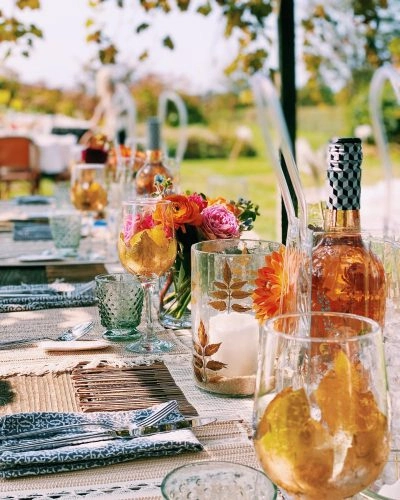
Matthew: I spent a lot of the summer out east. Wölffer Estate has these gorgeous oversized matchboxes in different color variations, with their signature rosé on the side. I love them. They feel like a little way of holding on to the last bits of summer.
How to Display a Collection
Galavante: We hear from plenty of matchbook hoarders with overflowing collections. What’s the best way to store one? Any tips?
Matthew: First, don’t hide them all away. I love seeing collections out in the open. Bowls, glass jars, and trays are great because the matchbooks become part of your home. For a really large collection, I’d separate out the ones with sentimental value or great graphics and display those. Then organize the rest by city, restaurant, hotel, or trip.
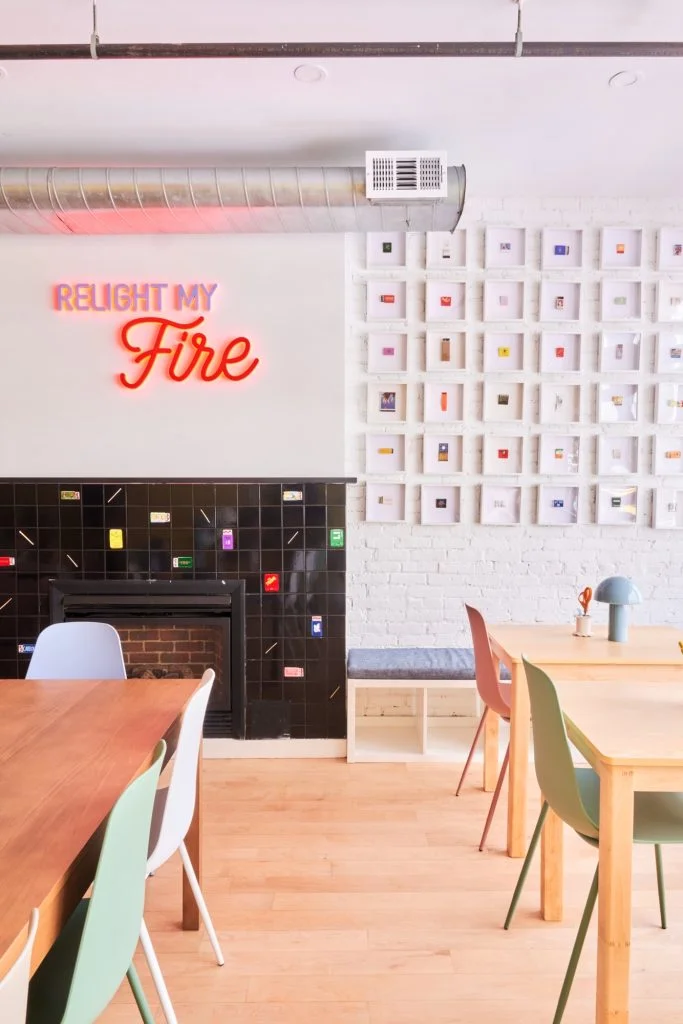
And, of course, framing them in a shadowbox is my favorite way to do it. It turns your collection into something you can enjoy every day.
Where Matchbook Culture Goes From Here
Galavante: Where do you think matchbook culture goes from here — more mainstream collectible, or does the appeal depend on staying niche?
Matthew: I think it’s going to continue becoming more mainstream, but I don’t think that takes away from the charm. Matchbooks are incredibly accessible. You don’t need to be a serious collector or spend thousands of dollars to participate. You can start a collection tonight just by going to dinner.
Other Tastemaker Interviews You’ll Like
Ellis Brooklyn Founder Bee Shapiro
The Pasta Queen: Nadia Caterina Munno on Rome, Italian Food, and Wine
60 Seconds with the Travel Pros: Em Marie
FAQs
Q: What is Artishouse?
A: Artishouse is a studio, shop, and workshop space in New York City founded by Matthew Perlman. It combines hands-on art classes, retail from independent artists, and a community space under one roof.
Q: Can you buy matchbooks or matchbook art at Artishouse?
A: Yes. Artishouse sells handmade pieces, including matchbook art, and runs workshops where you can learn to frame and display your own matchbook collection in a shadowbox.
Q: Why are matchbooks becoming collectible again?
A: Matchbooks are compact pieces of branding that restaurants and hotels design to be memorable and taken home. Collectors are drawn to the nostalgia, the design, and the personal memories attached to each one.
Q: What’s a good way to start a matchbook collection?
A: Start by saving the matchbooks you pick up at restaurants and hotels you actually visit. Display them somewhere visible, like a bowl or glass jar, rather than storing them away, and separate out the ones with the most sentimental value or strongest design as your collection grows.