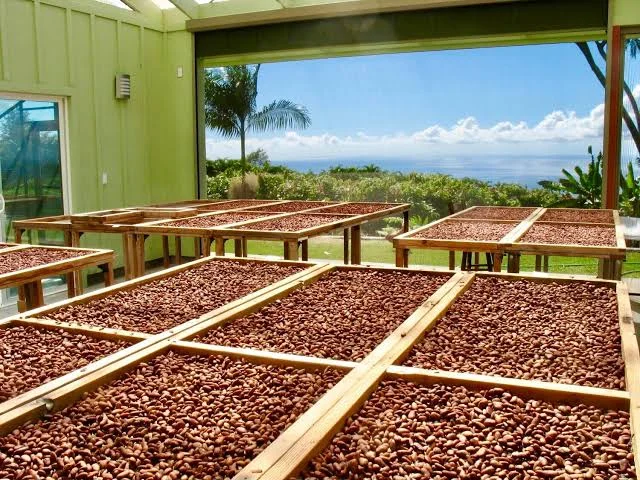
Most of the world’s chocolate starts on farms near the equator, in places like Ghana, Ivory Coast, and Ecuador. In the U.S., only one state can grow cacao commercially, which makes Hawaiian chocolate a rare thing. On the Kona side of Hawaii’s Big Island, Greg Colden and Marty Corrigan have grown it since 2008 at Kokoleka Lani Farms, five acres that used to be an abandoned rock quarry.
In 2019, their cacao earned one of the International Cocoa Awards, the Cocoa of Excellence program’s top honor for growers. Salon du Chocolat in Paris hosted the awards. The Kokoleka Lani entry was a joint harvest with two neighboring Kona farms. For a young industry, it was a turning point. It showed the chocolate world that cacao from Kona could compete with any other.
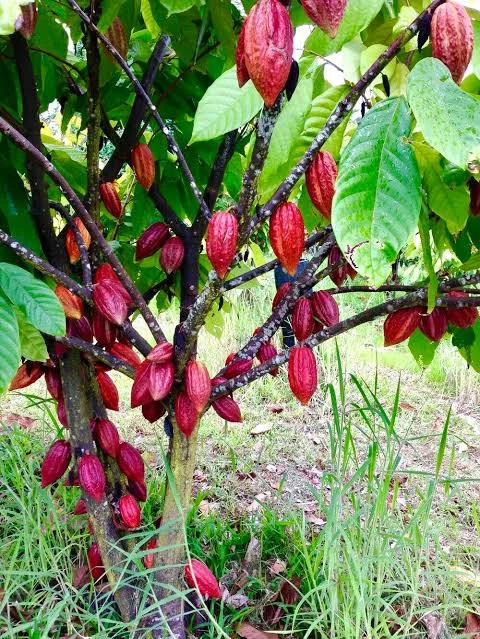
Today, the farm grows roughly 1,500 cacao trees and 300 coffee trees. It sells its own private-label Hawaiian chocolate bars, and it runs Kona Natural Soap Company on the same land. Visitors can tour the whole operation, from cacao pod to finished bar. Below, Greg Colden talks about leaving insurance for farming, the win in Paris, and what it will take to put Hawaiian chocolate on the global map.
From Insurance to Cacao
Galavante: For readers meeting you for the first time, what is Kokoleka Lani Farms, and how did you end up growing cacao and coffee on the Kona side of Hawaii’s Big Island?
Greg: The decision to grow coffee and cacao was simple. I owned an insurance brokerage in El Cerrito, California, for nearly two decades. My CPA suggested investing in a Napa winery, but I had no interest in wine grapes.
Around the same time, I visited a friend in Kona. While getting shave ice on Alii Drive, I met a local realtor, Lura Beebe. I mentioned I might be interested in coffee farming, and she suggested I visit Holualoa. That planted the seed. Weeks later, Lura called about a cacao farm for sale. I knew nothing about farming or cacao. Still, I took a leap of faith and planted five acres.
Galavante: Kokoleka Lani translates to “chocolate heaven” in Hawaiian. Who came up with the name, and when did you know cacao was going to be the heart of the farm?
Greg: My partner, Marty Corrigan, suggested the name. It reflects the main focus of our operation, which was just getting started at the time.
A Farm Built From a Quarry
Galavante: Before the chocolate, there was soap. You built Kona Natural Soap Company in 2005 on an old five-acre rock quarry pit in Holualoa. How do you turn a quarry into a working farm, and what made this the spot?
Greg: Marty was in corporate insurance, and we were both in our mid-40s when we moved to the island in 2004. We needed income, but we didn’t want to go back to insurance. I had learned soapmaking five years earlier, so we built Kona Natural Soap Company together in 2005.
Our site is in Holualoa, the heritage corridor of North Kona. It’s a former rock quarry pit with incredible archaeological history. It was mined for three decades, then left as a wasteland in 1969. Restoring it took nearly two years of hard work. We augered holes into the rock to plant more than 2,000 trees.
Galavante: You started growing cacao in 2008 and sold it to other chocolate makers for years before you had a bar of your own. What finally made you decide to make chocolate under the Kokoleka Lani name?
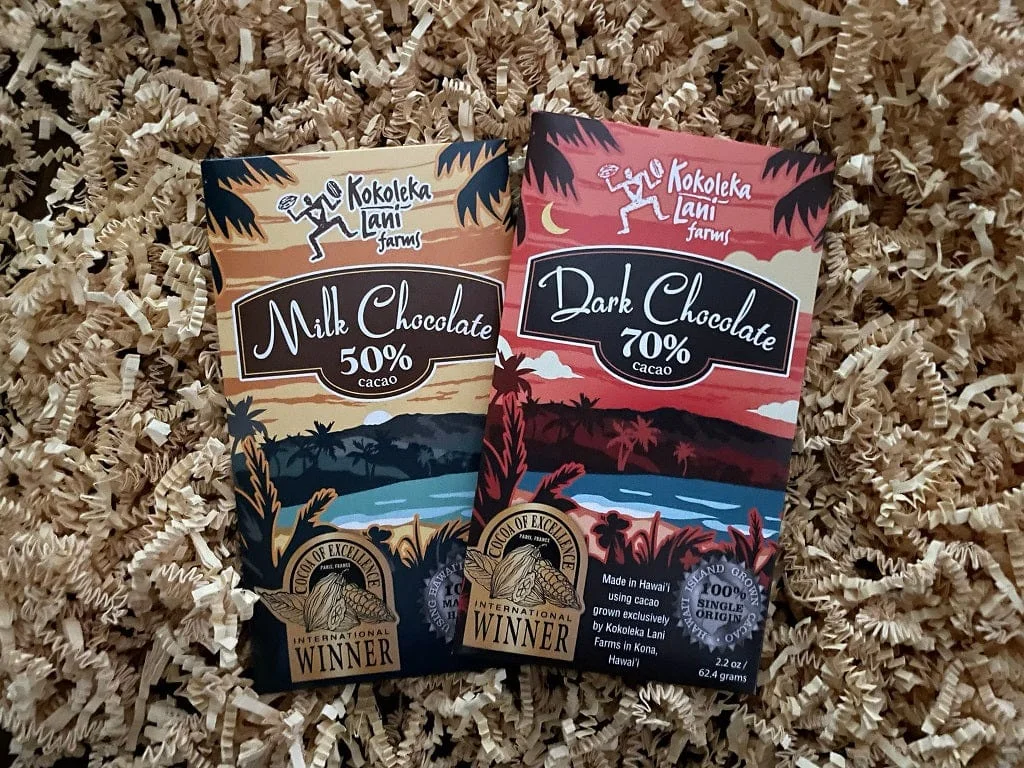
Greg: We sold our cacao to other chocolate makers for years. Winning the 2019 Cocoa of Excellence award finally inspired us to create our own private-label bar. Mānoa Chocolate does an exceptional job producing it for us.
The 2019 Award in Paris
Galavante: In 2019, cacao from your farm was named one of the International Cocoa Awards winners at Salon du Chocolat in Paris, the largest chocolate exhibition in the world. For readers who’ve never heard of it, what is that competition, and what was it like to be in the room when your name was called?
Greg: Bioversity International established the Cocoa of Excellence awards, also called the International Cocoa Awards. The goal is to better understand cacao genetics and improve bean quality for artisan chocolate. The program also connects quality-focused growers directly with chocolate makers.
The awards happen every two years. In 2019, they coincided with Salon du Chocolat in Paris. Out of 223 entries from around the world, we were selected as one of 50 finalists, and then we won. Standing in that room and hearing our name called was the biggest recognition of the work we put into building our farm from scratch.
A Harvest Shared by Three Kona Farms
Galavante: You entered alongside two neighboring Kona farms, Likao Kula and Pa’ani. How did that collaboration come together, and what does it say about how Hawaii’s growers work with each other?
Greg: I’ve known Gini Choobua and her family at Likao Kula Farm since we moved here. That year, Gini had the brilliant idea to combine our harvests, along with a small contribution of beans from Pa’ani Farm. We fermented the beans together in oak wine casks to create a unique flavor profile. That collaboration says a lot about how closely Hawaii’s growers work together and support one another.
Galavante: It’s been seven years since that award. What changed afterwards, for your business and for how the rest of the chocolate world talks about Hawaiian cacao?
Greg: Our day-to-day business hasn’t fundamentally changed. However, the award brought international recognition to cacao farmers across the Hawaiian Islands. It changed how the chocolate world talks about local cacao. It also honored an industry that began when the first trees were planted here in 1981.
What Makes Kona Cacao Different
Galavante: What differentiates the taste of Kona cacao from cacao grown anywhere else in the world?
Greg: What makes Kona cacao unique isn’t easy to define. It could be the rich soil, the rainfall, or the ideal climate. What I do know is that cacao grown in Hawaii gets exceptional care during harvest and fermentation. That helps us avoid problems like mold, which you find in other regions. The result is a distinct, high-quality flavor.
Galavante: What role does biodiversity play in how you farm?
Greg: Biodiversity is key to great cacao. We plant nitrogen-fixing trees and use rich leaf litter. Together, they create healthy soil full of beneficial microbes.
Galavante: Hawaii is the only state in the U.S. where cacao grows commercially. What’s hardest about farming it here compared with the places that have been doing it for generations?
Greg: High labor costs are the main constraint, unless you do all the farming work yourself. Hawaiian cacao is strictly fair trade. Still, production costs make large-scale farming prohibitive compared to regions like Southeast Asia, where living wages are a fraction of ours.
Putting Hawaiian Chocolate on the Map
Galavante: People in the industry have started calling Hawaii the potential “Napa Valley of chocolate.” Does that comparison fit, and what would it take to get there?
Greg: Chocolate flavor preferences are highly subjective. Still, being compared to Napa Valley wines is a wonderful compliment, and it fits well. It’s hard to pin down exactly why Hawaiian cacao is so sought after. Getting to that level, though, requires continued focus on quality, artisan processing, and educating consumers.
Galavante: Kona coffee took the better part of a century to become a name people seek out. Can Hawaiian chocolate get there faster, and what’s standing in the way?
Greg: Climate change threatens the global cacao supply. Fortunately, cacao only arrived in Hawaii in 1981, so we don’t have diseases like witches’ broom, a fungal disease common in Central and South America.
In under 50 years, Hawaiian cacao has earned international recognition, and no single factor explains it. It shows that local chocolate can build a global reputation far faster than the century it took Kona coffee.
Galavante: Hawaiian chocolate costs more than most people are used to paying for a bar. How do you make that case to someone tasting it for the first time?
Greg: Economics drive our prices. Because of local labor and high production costs, Hawaiian chocolate will always be a premium product. When someone tastes it for the first time, we talk about the care, the fair trade standards, and the tree-to-bar craftsmanship that goes into every bar.
Visiting the Farm
Galavante: Your three-hour farm tour walks visitors from the cacao pod all the way to the finished bar, with coffee and chocolate tastings along the way. What’s the moment on the tour that wins people over?
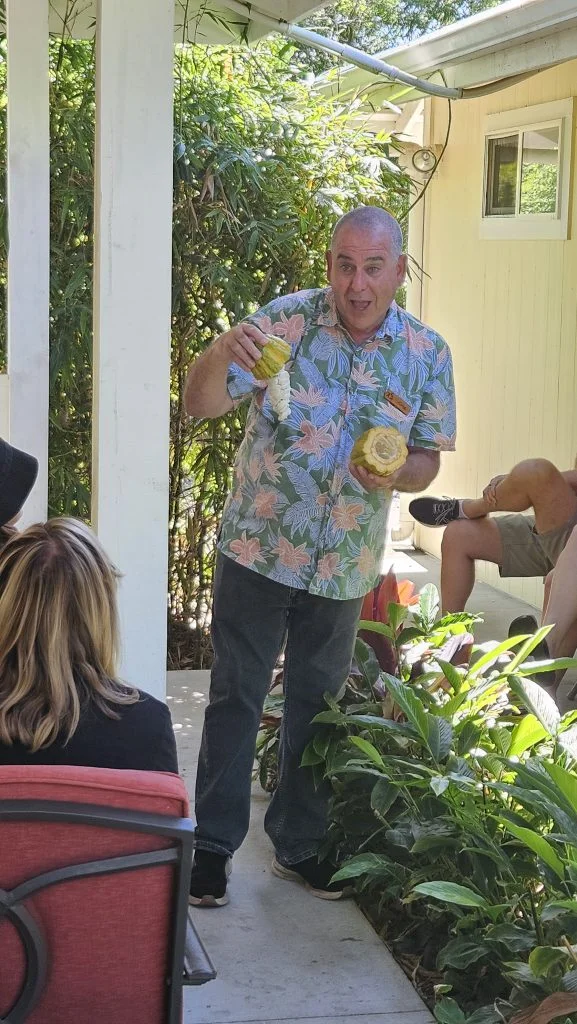
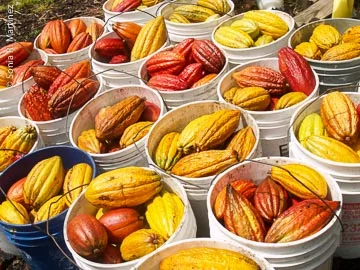
Greg: I have two favorite moments. The first is opening a fresh cacao pod and watching our guests’ amazement. The second is watching their reactions when they taste the chocolate. That tasting is usually when everything clicks and wins people over.
Galavante: For a foodie planning a trip to the Big Island, where else should they go, eat, or taste beyond your farm?
Greg: There are so many incredible culinary spots nearby. For any foodie planning a trip to the Big Island, I always recommend Big Island Bees and The Vanilla Farm.
Other Tastemaker Interviews You’ll Like
Ellis Brooklyn Founder Bee Shapiro
The Pasta Queen: Nadia Caterina Munno on Rome, Italian Food, and Wine
60 Seconds with the Travel Pros: Em Marie
FAQs
Q: What is Kokoleka Lani Farms?
A: Kokoleka Lani Farms is a cacao and coffee farm in Holualoa, on the Kona side of Hawaii’s Big Island. Greg Colden and Marty Corrigan own it, and they also run Kona Natural Soap Company on the property.
Q: What award did Kokoleka Lani Farms win?
A: In 2019, the farm’s cacao earned one of the International Cocoa Awards through the Cocoa of Excellence program. Salon du Chocolat in Paris hosted the awards. The winning entry was a joint harvest with Likao Kula Farm and Pa’ani Farm.
Q: Can you tour Kokoleka Lani Farms?
A: Yes. The farm runs a three-hour tour that covers the journey from cacao pod to chocolate bar. It includes Kona coffee and chocolate tastings, plus a look at the soap workshop. Book through the farm’s website.
Q: Where can you buy Hawaiian chocolate from Kokoleka Lani Farms?
A: The farm’s private-label chocolate bars are sold online through Kona Natural Soap Company. You can also buy them at the company’s store in Kailua-Kona and on the farm tour.