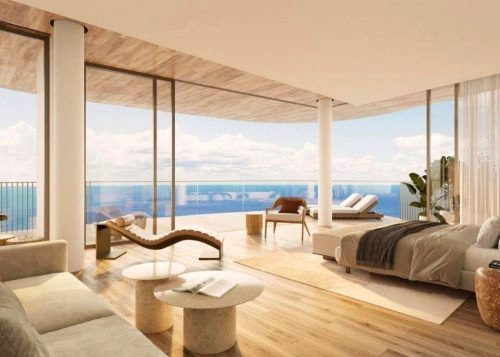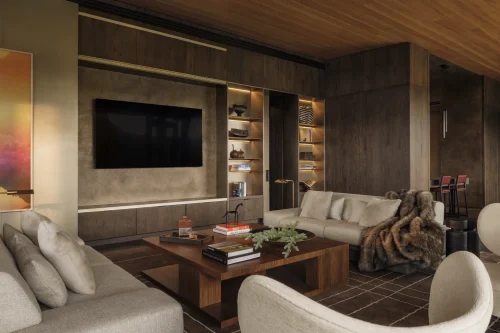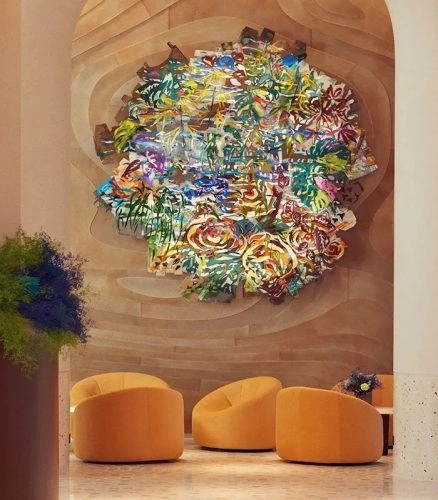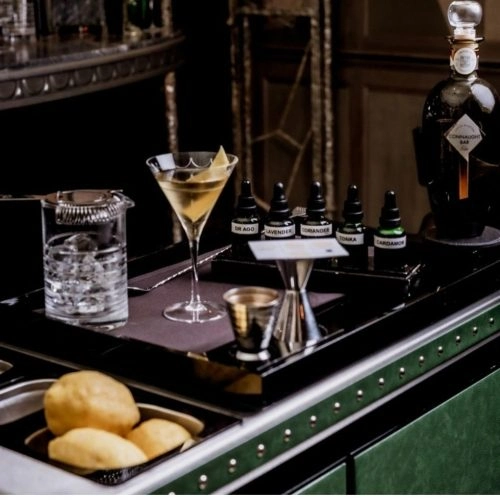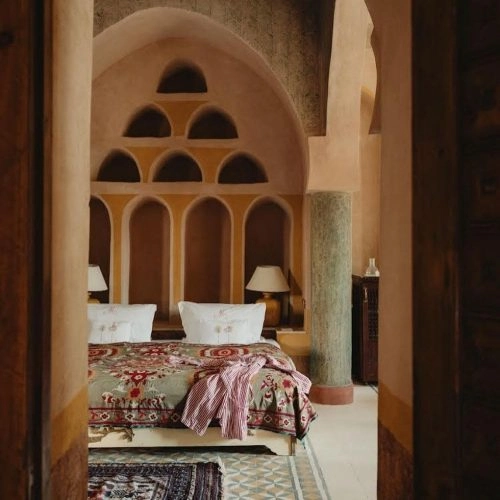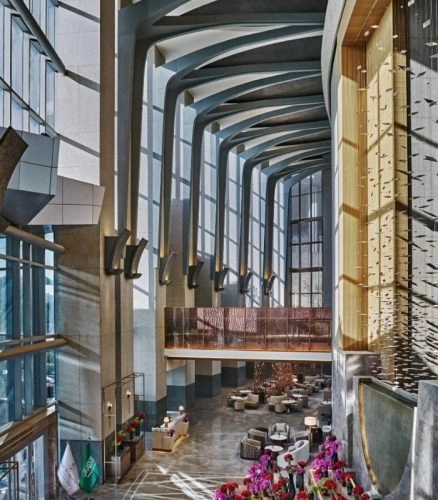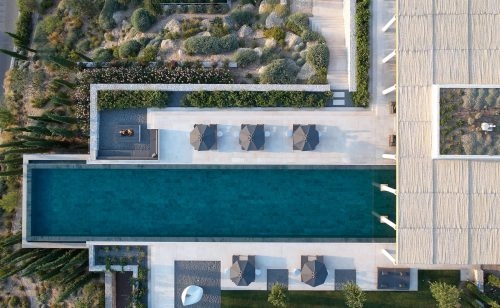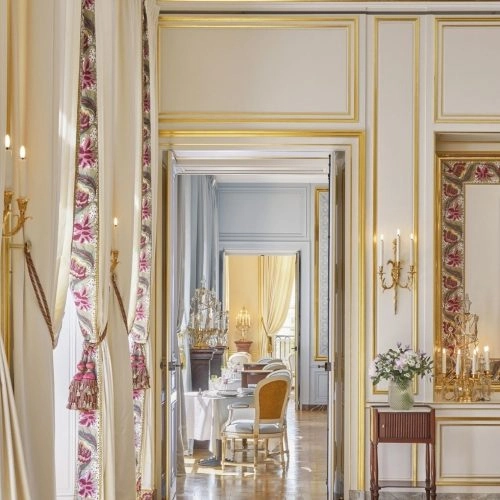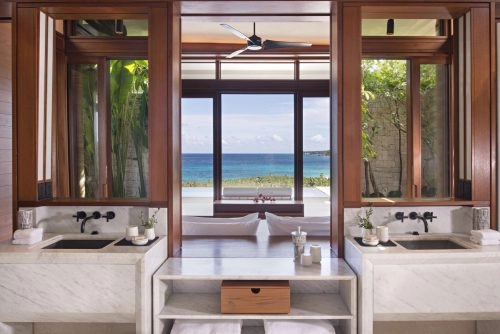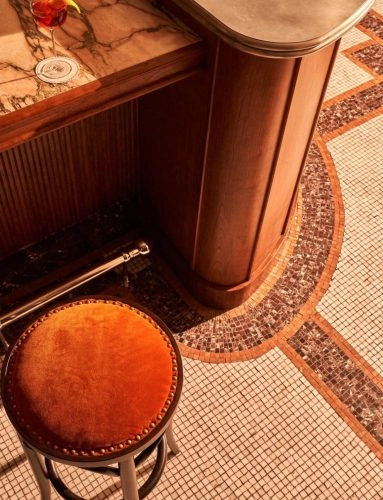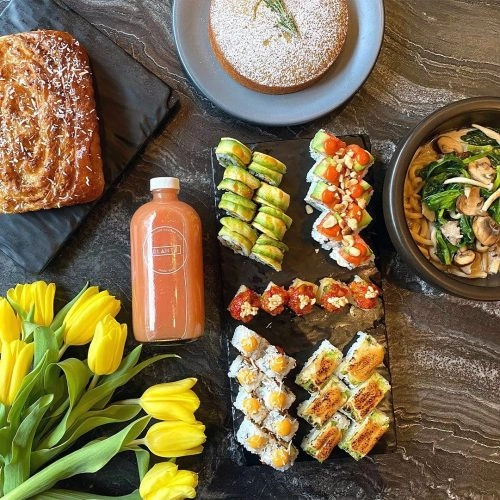
Japan is one of those rare places that never gets old. Saying it gets old would be like saying you’ve been to Aspen too many times to ski. Or that you drank too much rosé in in the South of France to ever return. It doesn’t matter how many times you’ve visited – there’s always something new, and something old, that keeps you coming back. Besides restaurants with more Michelin Stars than even the birthplace of Michelin itself, Japan as a destination is almost untapped in its hotel potential. But when there’s an opportunity and clearly a demand, that explains the new design hotels sprouting up from Hokkaido to Kyoto.
Auberge TOKITO
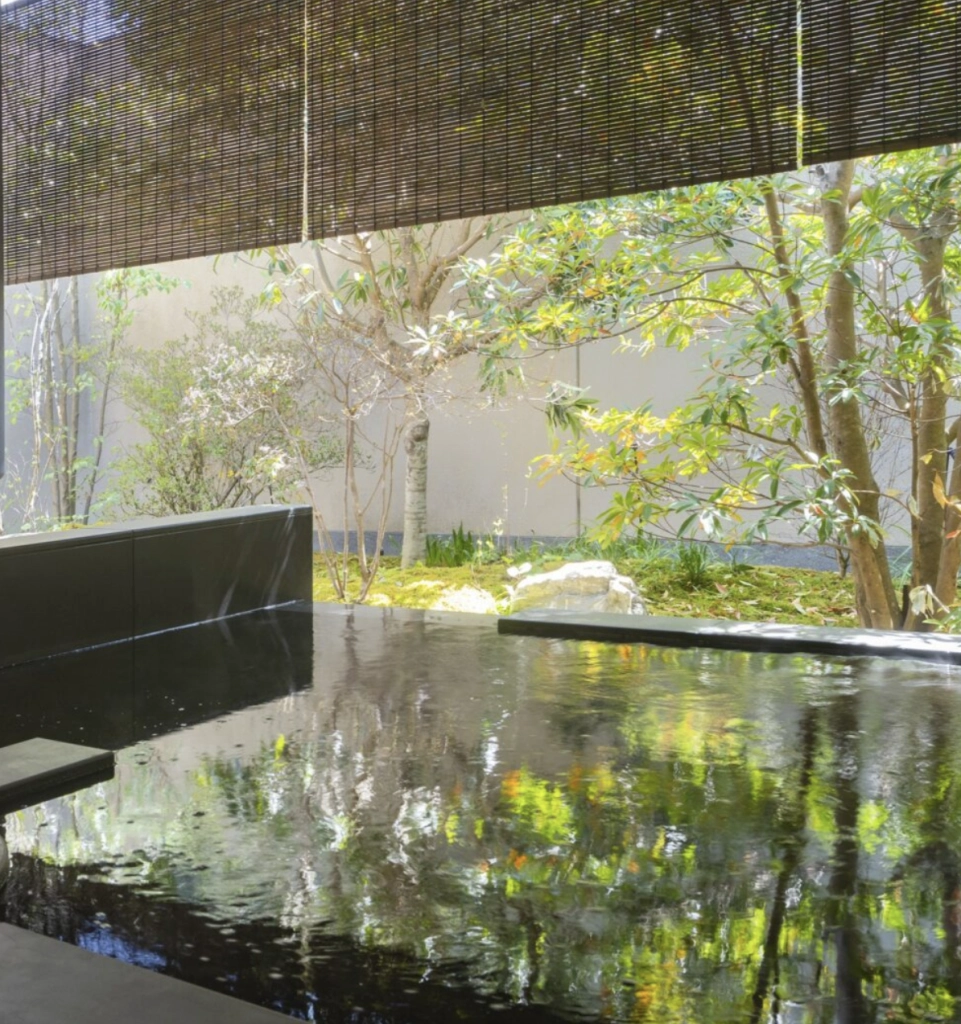
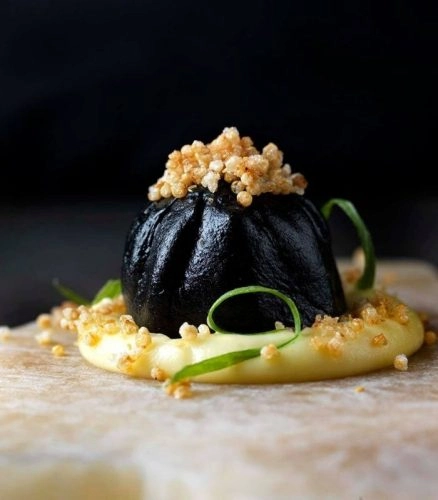
Plan ahead, because you’re traveling 45 minutes outside of Tokyo for a masterful meal, and there are only four guest suites at the inn. Your Auberge TOKITO experience is at once both food-first and design-forward in a contemporary interpretation of Japanese kaiseki cuisine and ryokan tradition. Chef extraordinaire Yoshinori Ishii now returns home after 20 years, including huge success in London. This collaboration with architect and designer Shinichiro Ogata is the delightful result. By the way, when dinner plates at the 10-seat counter are handmade in a ceramic studio by the chef himself, you know aesthetics are critical to the guest experience.
K5 Tokyo
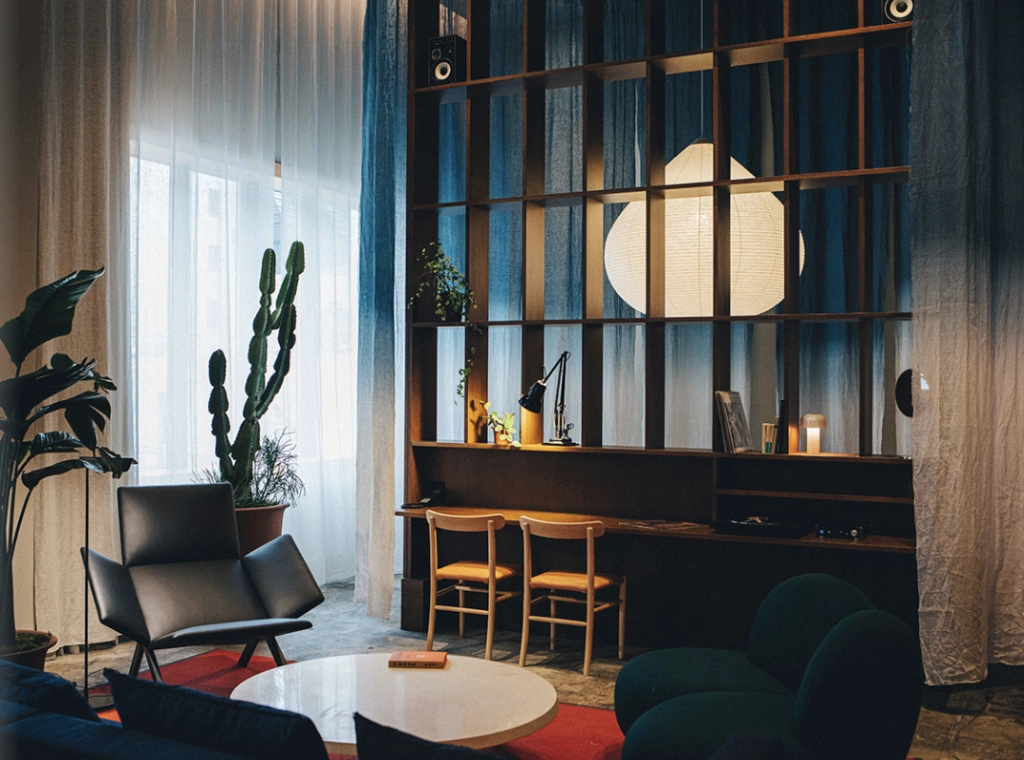
In Nihonbashi, the Wall Street of Tokyo, this century-old building began its life as a bank. A strong dose of Scandinavia Nordic-style design mingled with leading edge garden design produces a green oasis within Tokyo’s concrete jungle. The twenty rooms and suites at K5 Tokyo are huge, the ceilings are high, and the vinyl record players are a given. Global nomads feel at home on geometric leather recliners in co-working spaces, at communal tables in Maruyama’s airy dining space, and chilling out over highballs and tacos at Akai bar. Downstairs, B by the Brooklyn Brewery tells you all you need to know about the hotel’s international vibe.
Simose Art Garden Villa
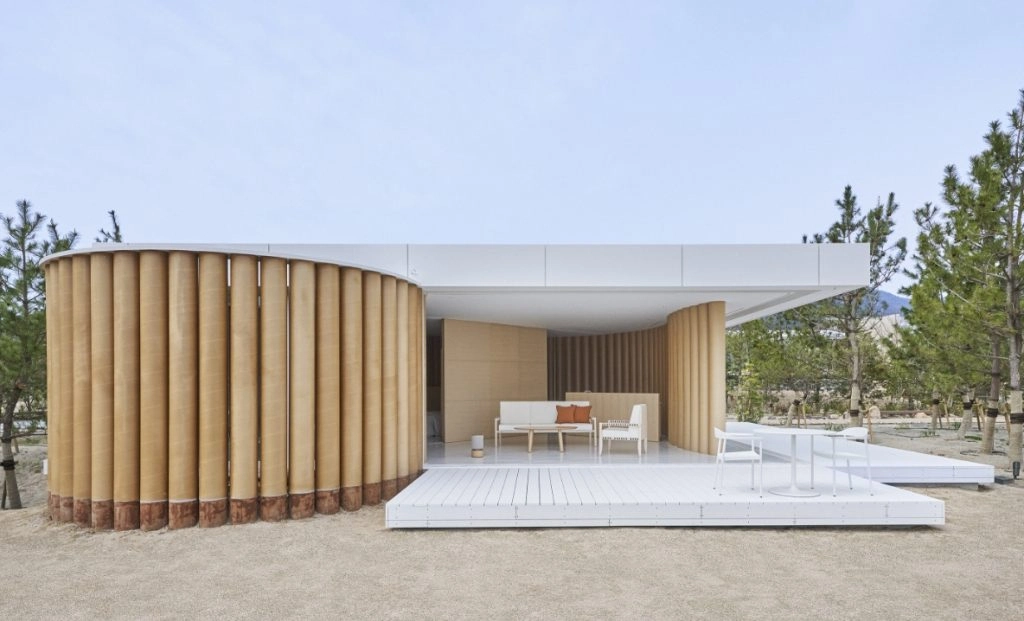
Hiroshima has a modern art museum with multi-colored floating galleries. And that’s where you’re sleeping tonight at Simose Art Garden Villa. Some of the 10 standalone villas have beds facing Seto Inland Sea. Another villa is wall-less in a forest grove, and another is made of recycled paper tubes. Delightfully, each villa opens directly to nature, so open-air baths, hinoki tubs, Jacuzzis, and terrace-soaking areas are part of the quiet, built-in relaxation. The resort is designed by Pritzker winner Shigeru Ban. And yes, there’s a French restaurant.
Capella Kyoto
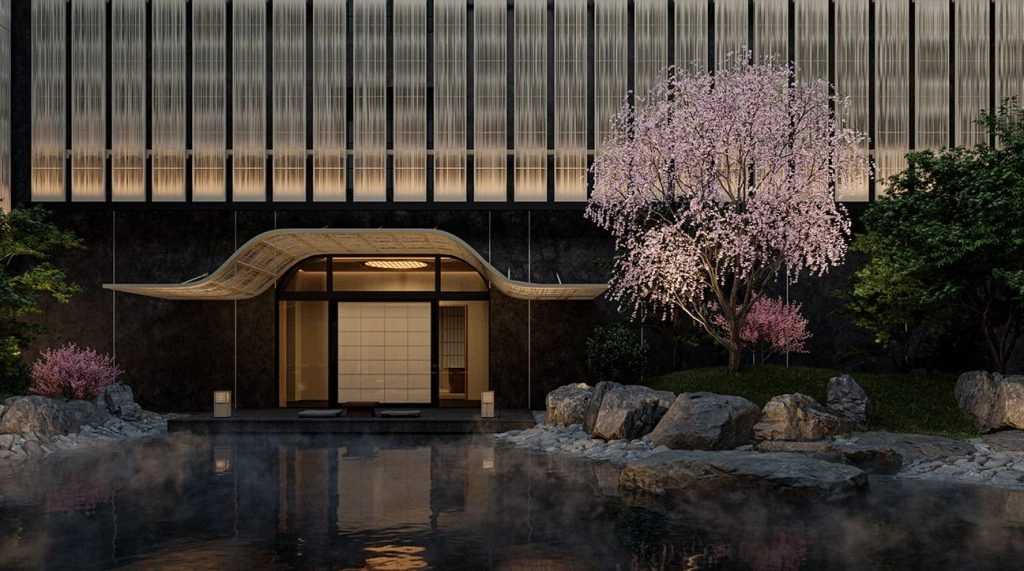
The site of a former elementary school in Kyoto’s historic Miyagawa-cho district starts a second life as Capella Kyoto. Several of the hotel’s 89 rooms overlook the 13th century Kenninji Temple or the restored Kaburenjo Theatre, connected to Kyoto’s elite geisha for generations. Also in demand, are the six private onsen rooms with hot spring baths. An attention-grabbing feature is the 12-seat dining concept, SoNoMa by SingleThread. For Chef Kyle Connaughton, this permanent outpost of his California wine country restaurant is a homecoming. Prior to opening the acclaimed SingleThread, he trained for five years in Kyoto.
Genji Kyoto
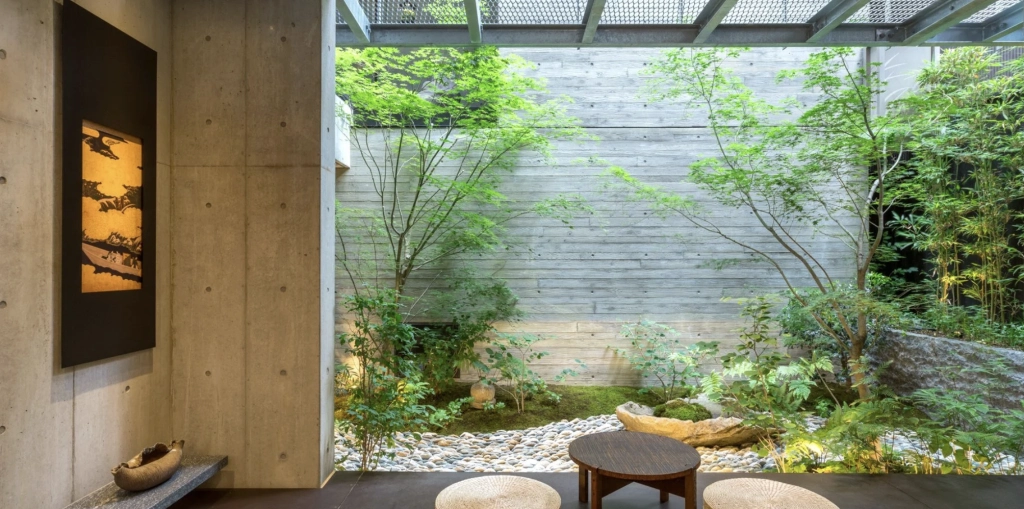
Written about 1,000 years ago, “The Tale of Genji” is said to be the world’s first novel. One of the themes borrowed from its pages is a love for nature and the relationship between inside and outside. As individual pocket gardens for each of the 19 rooms at Genji Kyoto, the theme is further echoed by mountain and river views. In the lobby, a Zen garden with drifting sculptural boat (Ukifune) symbolizes the currents of life. Sky Forest Garden on the rooftop is a shichū’in, a hidden oasis in the heart of the city.
Higashiyama Niseko Village, a Ritz-Carlton Reserve
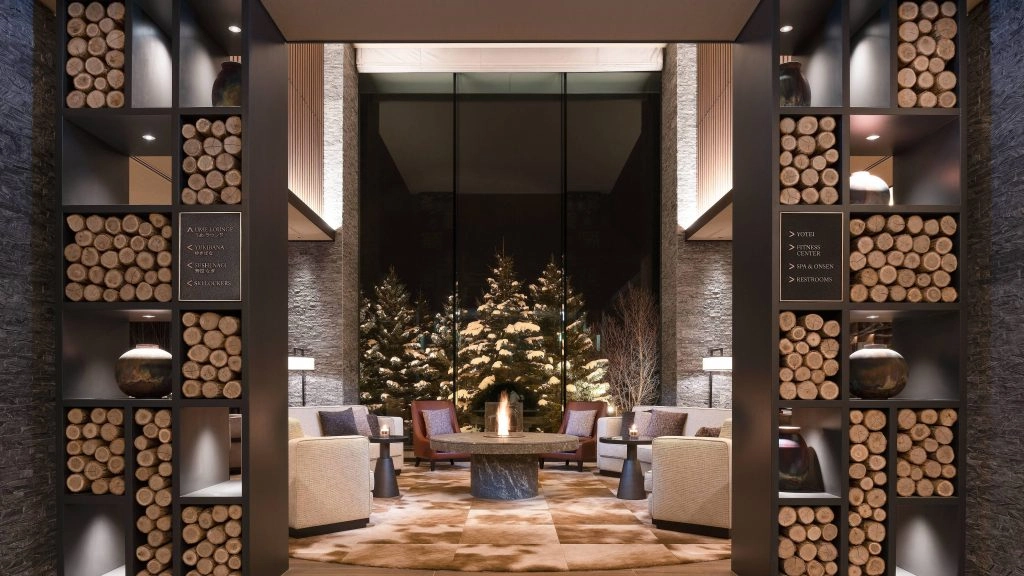
In 1972, the Sapporo Winter Olympics secured global awareness for Hokkaido as a premier sports destination. Today, the legacy lingers. On Japan’s northernmost island, Niseko Village is the top choice for reliably great powder. Average annual snowfall here is in excess of 50 feet. Throw in the solitude of a mountain trek and the healing of a hot spring soak to get an experience to rival ritzy Alpine retreats. Did someone say golf? When things turn green, Higashiyama Niseko Village, a Ritz-Carlton Reserve, is also a summer playground for the well-to-do.
Park Hyatt Niseko Hanazono
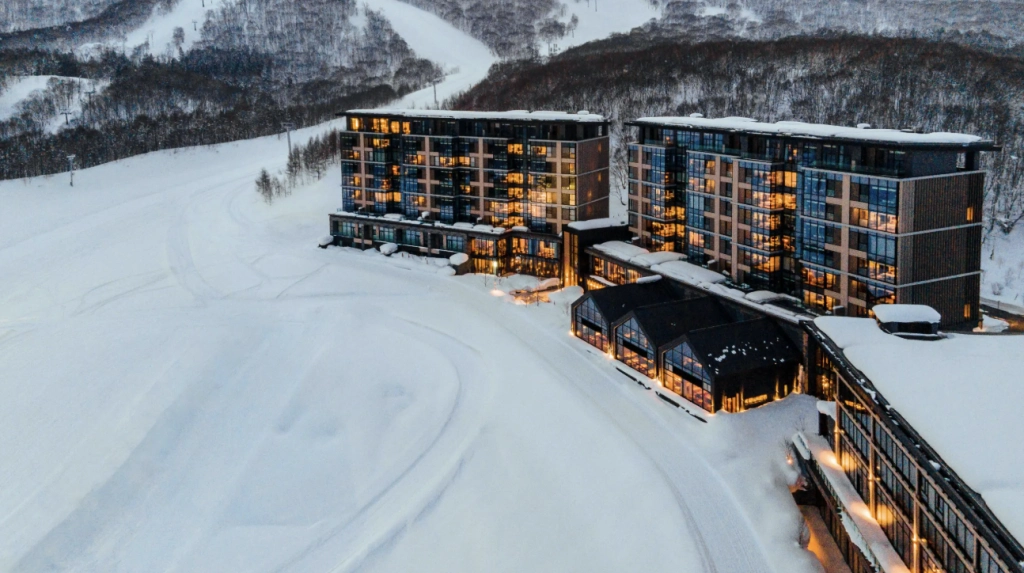
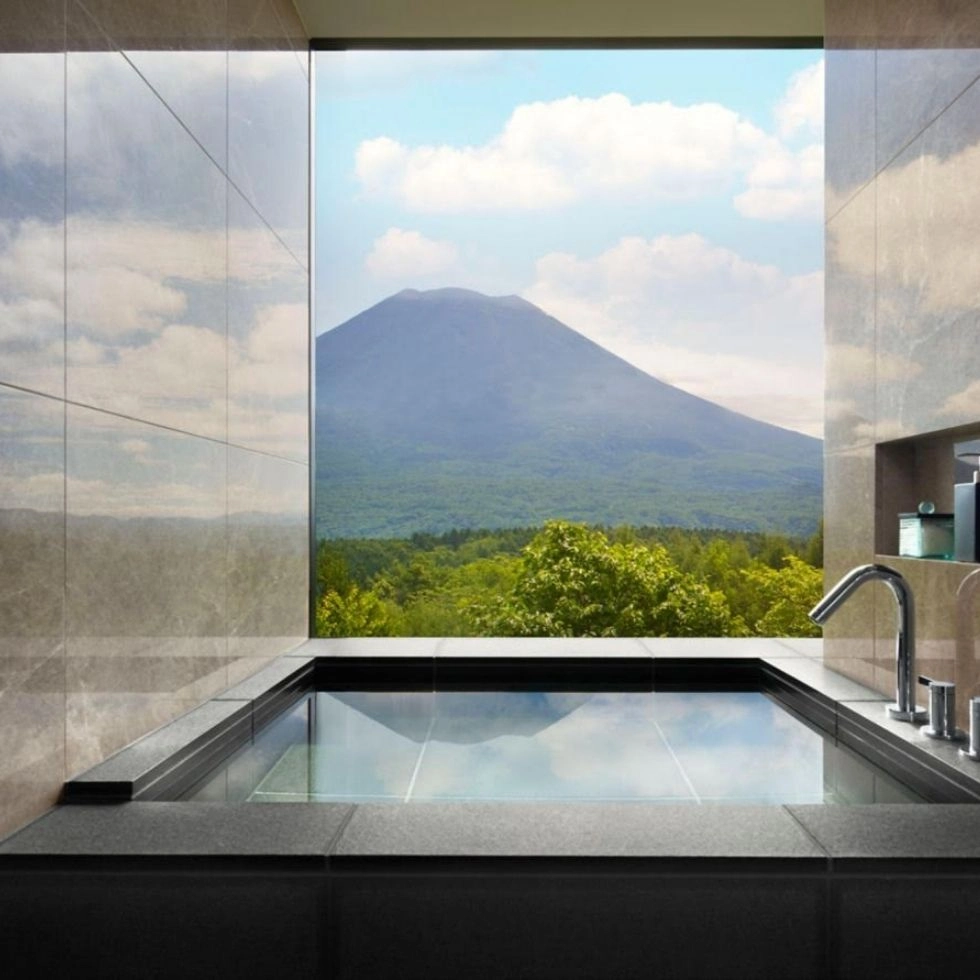
It’s a challenge to focus on stunning interior design when the views are spectacular and the service is impeccable. This is intentional by design. Melbourne-based BAR Studio focuses on avoiding distraction from the natural setting. Clearly, Park Hyatt Niseko Hanazono nails it on all counts. Ski-in, ski-out translates perfectly in Japanese here: just add heated lockers, onsen, pool, and a spa for the full meaning. Book a suite for its private onsen and floor-to-ceiling windows that face out onto a large veranda that invites the mountain in.
Hoshinoya Taketomi Island
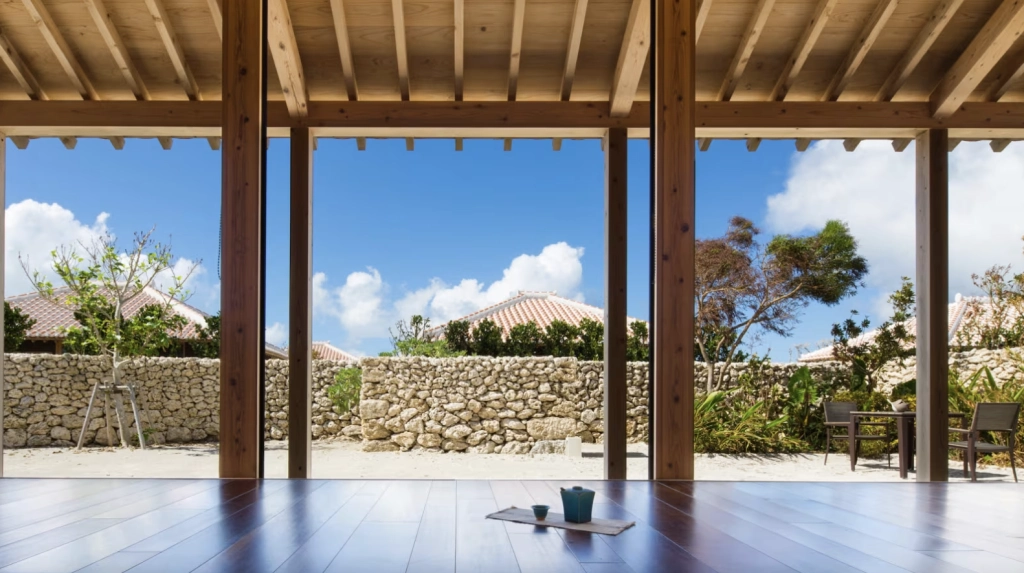
Coral reefs and white sand beaches aren’t typically top-of-mind associations with a vacation in Japan. But, then there’s Taketomi Island. You should plan to arrive by ferry. In the Okinawa tradition, all 49 pavilions face south to maximize soothing. Guests embrace centuries of culture distilled into the island’s lifestyle. As for authenticity, some places promise it but Hoshinoya Taketomi Island guarantees it. Because the island is inhabited by a mere 350 people, every minute of your stay means living like a local. The biggest surprise comes after sunset when one of nature’s best designs, The Milky Way, fills the night sky.
Kumano Bettei Nakanoshima
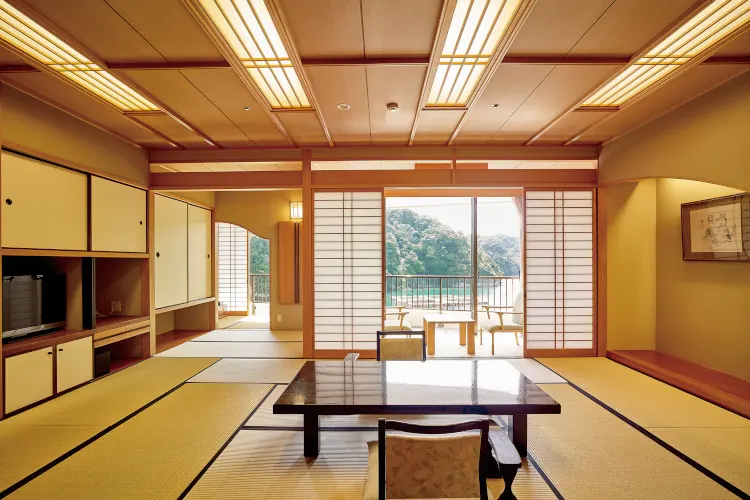
Well, they got everyone’s attention straight away with “seaside Ryokan on a private island,” right? Make your way by ferry to this small and densely forested island in Wakayama’s Katsuura Bay. And there are more images to lure you to the sound of waves splashing on the rocks, while the sun drifts below the mountains. Another memorable takeaway from Kumano Bettei Nakanoshima is the large outdoor hot springs bath overlooking the bay. Guests choose either traditional Japanese-style tatami rooms or Western-style accommodation.
Azumi Setoda
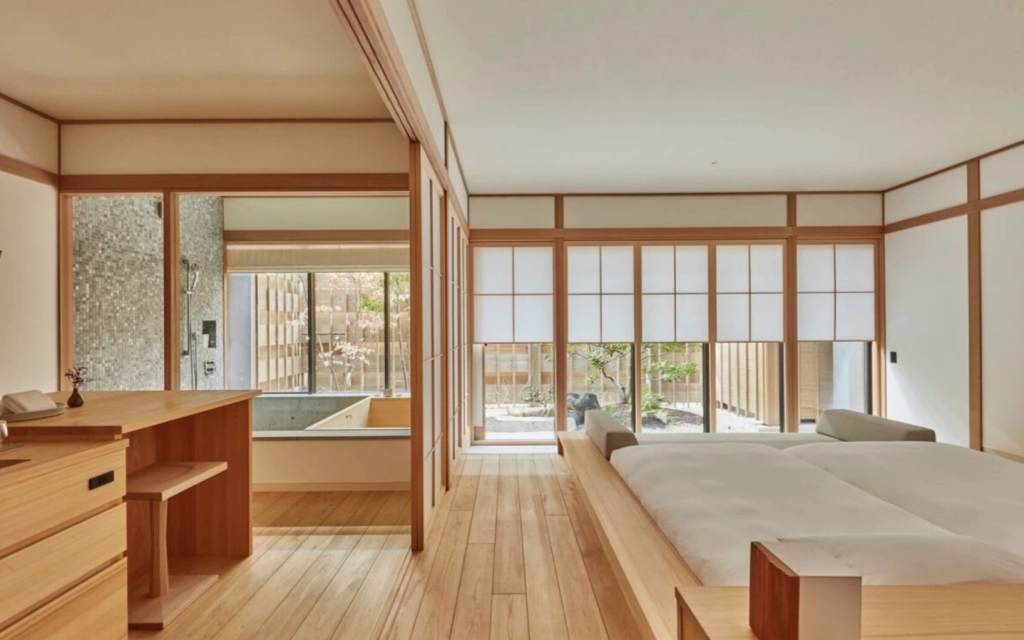
Picture clean, minimalist design in a 140-year-old former residential estate. The 19th century home of Setoda’s Horiuchi family of affluent salt trade merchants retains its legacy, down to the tableware. Guest rooms feature cedar, washi, and granite, plus cypress bathtubs, in a contemporary expression of refined ‘sukiya’ design. Located on Ikuchi Island (a.k.a. Lemon Island for its domestic production of tasty Setoda lemons) in the Seto Inland Sea, Azumi Setoda is an hour’s drive from Hiroshima.
Onyado Fukuchiyo
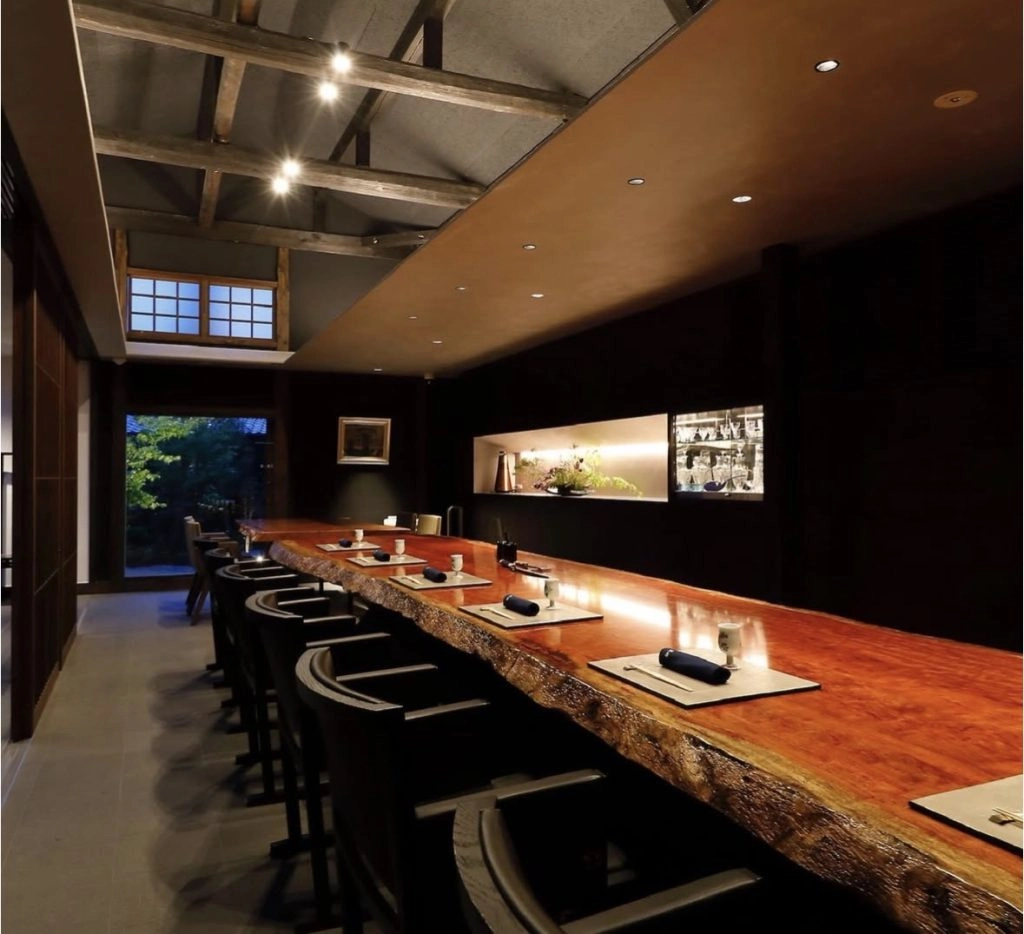
Under a thatched roof in Kashima City’s historic district, Onyado Fukuchiyo is a unique sake brewery with rooms. At the auberge, contemporary interiors of white walls and high ceilings are complemented by traditional Japanese exteriors. In the 230-year-old former merchant’s house, a solid bubinga wood counter is the prominent feature. Here, the chef serves a fusion of sake and Japanese cuisine; dinner is paired with 20 sake tastings. Overnight stays are a “one-building rental,” limited to four guests at a time. Guests enjoy the library, courtyard, garden, open-air bath, and large screen TV with internet, and private tours of the brewery.
Rakudo-An Toyama
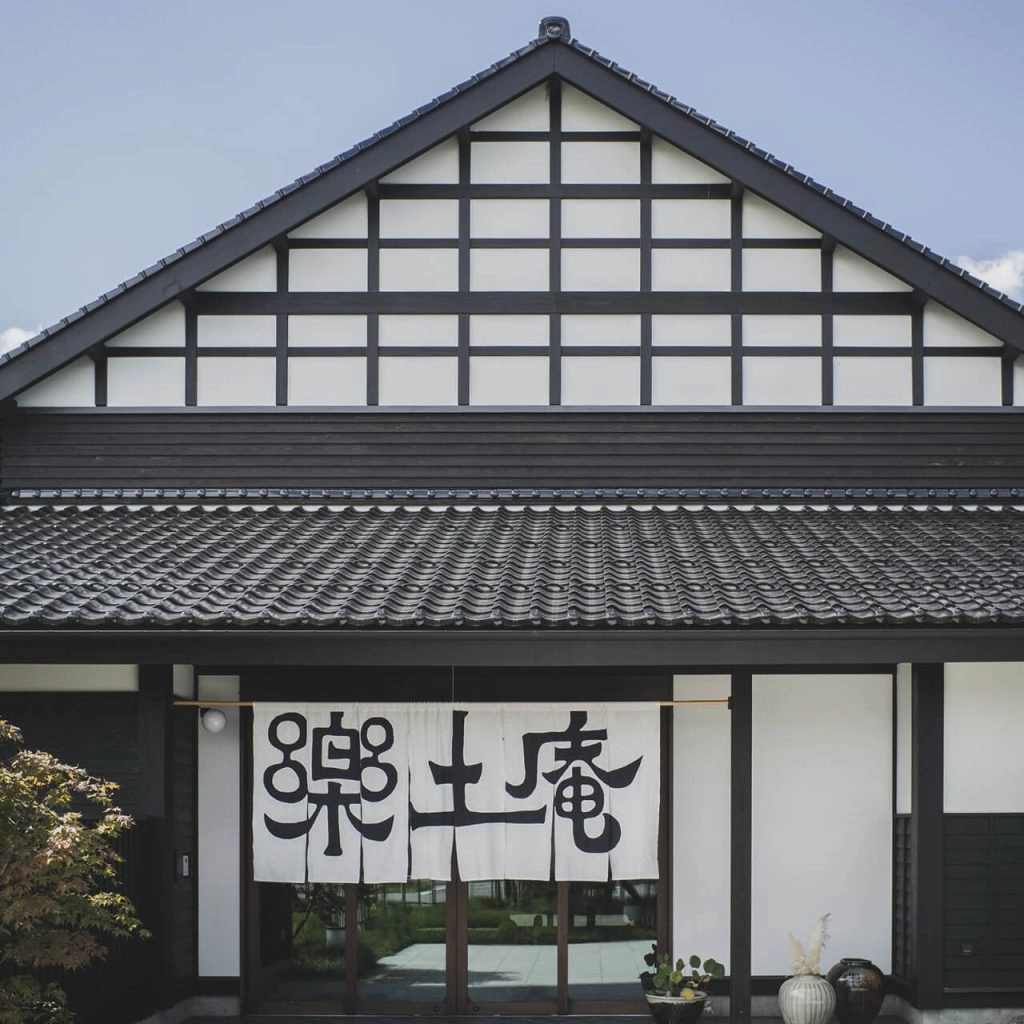
Per local Buddhist custom, the 120-year-old Rakudo-An Toyama farmhouse faces east. Accommodation is comprised of three spacious themed rooms (paper, silk, and soil), set among fields of green rice paddies. Meticulously restored, natural materials like clay, wood, bamboo are mixed with modern furnishings. A curated collection of folk art, commissioned artworks, and antiques gives a museum vibe throughout the property. Quiet and unassuming, the art hotel has a 20-seat restaurant emphasizing sustainable cuisine sourced from the sea, mountains, and countryside.
Other Articles You’ll Like
Where to Stay in Tokyo Now
Pharrell’s New Japan Venture
Rosewood Arrives in Japan
FAQs
Q: Are design-forward hotels widely found in Japan?
A: Yes. From quiet countryside inns to contemporary skyscrapers, Japan has hotels known for their unique architectural interest. Cutting-edge global design is a prominent aspect of the Japanese hotel scene.
Q: Are there many ryokans in Japan?
A: Yes. There are more than 50,000 traditional Japanese inns known as ryokans, typically located near a hot spring, known as onsen.
Q: Where can I find both design hotels and great skiing in Japan?
A: Japan’s top ski resort destination for the luxury market is Niseko, a mountain resort in Hokkaido.